
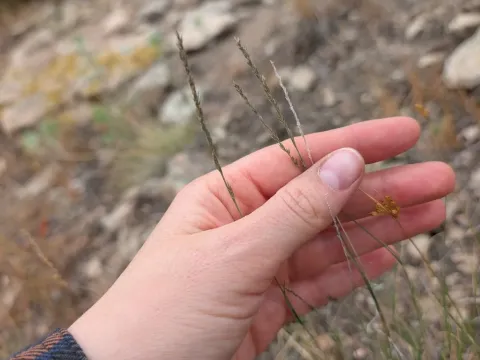
Muhlenbergia wrightii
Muhlenbergia wrightii
Sowing Muhlenbergia wrightii is best performed in the spring when soil temperatures stabilize between 15 and 18 degrees Celsius. Pre-sowing stratification of seeds is highly recommended to improve germination rates significantly.
What the section contains
Muhlenbergia wrightii
Seeds should be sown at a shallow depth of approximately 0.5 to 1 centimeter. Because the seeds are small, they require light exposure for optimal germination, making deep planting an obstacle to successful establishment.
Using a nursery-grown transplant method is often more efficient than direct seeding. This approach ensures more uniform growth and allows young plants to establish a robust root system before field transplantation.
The ideal time to transplant seedlings into the field is after the final frost of the season. At this stage, the plants are better equipped to withstand fluctuations in temperature and establish themselves in the landscape.
Vegetative propagation via clump division should be executed at the beginning of the active growing season. This ensures that the divided plants have enough time to recover and adapt to the soil before intense summer heat arrives.
Muhlenbergia wrightii belongs to the Poaceae family and is recognized as a hardy, perennial grass. It is particularly valued for its drought resistance and its ability to thrive in poor, nutrient-deficient soils.
The species requires full sun exposure to maintain its characteristic structure. If planted in shaded areas, the plants tend to become thin and lose their natural architectural shape, which is highly sought after for design purposes.
Well-draining, sandy, or loamy soil is preferred for optimal development. The plant is sensitive to waterlogged conditions, as stagnant water significantly increases the risk of root rot and overall plant decline.
This grass is native to the arid and semi-arid regions of the Southwestern United States. Consequently, it is naturally adapted to climatic conditions with irregular rainfall and low humidity levels throughout the year.
Maintenance needs are minimal once the plant is established. The primary agronomic task is early weed control to prevent competition during the initial growth phase, after which the grass effectively outcompetes most weeds.
Muhlenbergia wrightii is remarkably resilient and rarely falls victim to widespread pests. Its tough anatomy makes it a poor host for many common agricultural pathogens that typically affect more fragile grasses.
The most significant threat to this crop is excessive soil moisture or poor drainage, which can lead to fungal infections. Root systems are particularly vulnerable to pathogens when oxygen availability in the soil is low.
In humid or stagnant environments, foliage may occasionally develop powdery mildew. This is rarely a fatal issue but can affect the aesthetic and structural health of the plant if left unaddressed for an extended period.
Occasional infestations by aphids may occur during dry spells. However, these rarely reach levels that require chemical intervention, as the plant possesses natural defenses that limit the impact of these insects.
Cultural practices, such as proper spacing and avoiding high-nitrogen fertilizers, are the most effective strategies for preventing disease. By keeping the plant's environment well-ventilated, growers can eliminate most risks associated with fungal growth.