
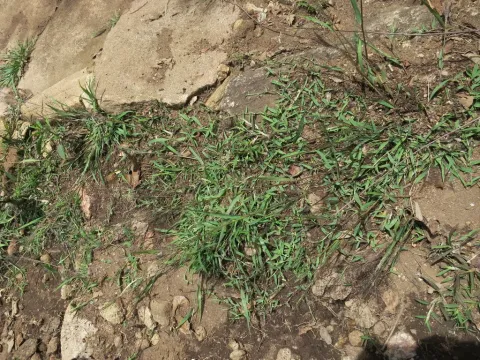
Eragrostis macilenta
Eragrostis macilenta
Sowing Eragrostis macilenta should take place in the spring when soil temperatures reach a consistent 12–15 degrees Celsius. Ensuring a fine, firm seedbed is essential for successful germination and early establishment.
What the section contains
Eragrostis macilenta
Due to the small size of the seeds, planting depth must be kept shallow, ideally between 1 and 2 centimeters. Using a roller after sowing improves soil-to-seed contact, which is vital for moisture uptake in drier soils.
Row seeding is the preferred method to facilitate even plant distribution and easier weed management. Avoiding overly dense populations helps prevent competition for light and nutrients among the seedlings.
Weather conditions during the initial weeks are crucial. If moisture is scarce, light irrigation can be beneficial to ensure uniform emergence, though the species is generally adapted to resilient growth.
Field monitoring during the first month allows producers to assess stand density. Early corrections, such as thinning or gap filling, can be performed if necessary to ensure a productive field layout.
Eragrostis macilenta is a heat-loving grass species from the Poaceae family that thrives in well-drained, porous soils. It is particularly well-suited to regions with warm climates and long growing seasons.
Sunlight exposure is a primary requirement for this crop. It performs best in full sun, where its photosynthetic potential is fully utilized to produce biomass, whereas shaded areas result in thinner stands.
The plant is noted for its drought tolerance once established, making it a reliable option in areas where water availability is variable. However, peak growth stages require adequate moisture to maximize forage production.
Ideal temperatures for growth fall within the 20 to 30 degrees Celsius range. It is sensitive to frost, so the growing cycle is strictly confined to the frost-free period of the year in temperate climates.
Soil fertility management should focus on nitrogen supply to encourage leaf and stem production. Potassium and phosphorus are also essential to support root development and overall plant endurance throughout the season.
The biomass yield of Eragrostis macilenta is influenced by soil nutrient levels and the frequency of harvests. Under optimal management, the crop can provide multiple cuts of high-quality hay per year.
Yields are typically highest during the second and third years of growth as the plants establish deeper root systems and form a dense, productive stand. Proper field maintenance is key to long-term sustainability.
The harvest timing significantly impacts the nutritional value of the biomass. Harvesting during the late vegetative or early heading phase captures the best balance between bulk and digestible nutrients for livestock.
Productivity can be further enhanced by implementing appropriate cultural practices like soil aeration or periodic fertilization after harvest, which stimulates the regrowth of the stubble (ratoon crop).
Farmers should monitor seasonal weather trends to adjust harvest cycles. Efficient management of the growth rhythm allows for consistent yields even in years with slight climatic fluctuations.
Eragrostis macilenta is generally resilient, but it can be susceptible to fungal diseases if managed in overly wet or poorly drained environments. Root decay is the primary risk associated with excessive soil moisture.
Insect pests such as grass-feeding flies or aphids may occasionally infest young fields. Integrated pest management strategies, focusing on early detection, can effectively minimize the impact of such infestations.
- Crop rotation to break the life cycle of soil-borne pathogens.
- Use of well-drained fields to prevent humidity-related issues.
- Strategic insecticide application only when economic damage thresholds are exceeded.
Maintaining a vigorous plant population is the best natural defense against weeds and diseases. A dense stand naturally suppresses invasive weeds, reducing the need for intensive herbicide applications.
Regular inspections of leaf health and stem bases help identify issues early. Proactive measures, such as adjusting irrigation or performing targeted weeding, are often sufficient to prevent large-scale damage.
Harvesting for forage should occur before seed maturation to ensure the biomass remains palatable and nutrient-rich. Modern harvesting equipment should be set to a height that preserves the plant's crown for regrowth.
When harvesting for seeds, farmers must wait for full maturity, characterized by a specific color change in the panicles. Careful handling is required to avoid premature seed shatter during the cutting process.
After-harvest drying is critical. The cut forage must be allowed to lose moisture quickly to prevent mold development in the bales. Well-cured hay will maintain its quality for extended storage periods.
Seed cleaning and drying are essential post-harvest operations. Reducing moisture content to specified standards ensures long-term viability and prevents the degradation of the germinated material.
Cleaning the field after the final harvest, including the removal of debris, prepares the soil for the next dormant season and helps reduce the overwintering capacity of potential pests or disease spores.