
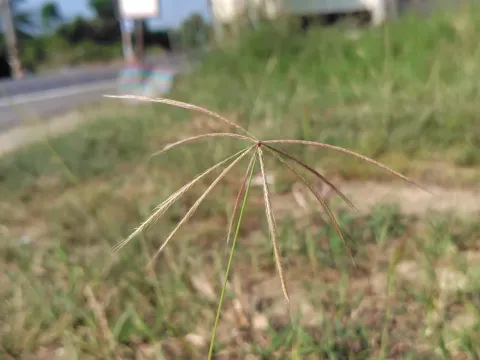
Chloris pycnothrix
Chloris pycnothrix
Chloris pycnothrix is a perennial grass species belonging to the Poaceae family, widely recognized for its resilience in warm climate zones. It is native to tropical regions where it serves as a staple forage crop for grazing livestock.
What the section contains
Chloris pycnothrix
This grass is characterized by its ability to thrive in poor soils and withstand prolonged periods of drought. Its strong root system facilitates efficient water uptake, which is a critical trait for sustainable pasture management in arid areas.
The ideal environment for Chloris pycnothrix includes well-drained sandy or loamy soils. It exhibits a high degree of tolerance for varying soil pH levels, although it performs best in soils with adequate nutrient availability and minimal waterlogging.
Climatic requirements are centered around high solar radiation and stable warm temperatures. The plant is not frost-tolerant and requires a frost-free growing season to produce optimal biomass for fodder purposes.
In terms of agricultural utility, this species is frequently used in erosion control programs because its fibrous root system effectively binds the topsoil. It provides high-quality grazing, particularly during the active growth phase.
Rust diseases represent one of the primary pathological threats to Chloris pycnothrix, especially in humid conditions. These fungal pathogens can reduce photosynthetic capacity and overall biomass yield if not managed properly.
Pests such as aphids and leafhoppers are commonly found on the foliage, feeding on cell sap. Their activity can cause stunted plant growth and serve as a vector for various viral infections common in grasses.
Weed competition is particularly intense during the establishment phase. Proper land preparation and, if necessary, strategic herbicide application are recommended to ensure the grass becomes the dominant species in the pasture.
Locust outbreaks present a periodic threat that requires systematic monitoring. In areas prone to high pest pressure, biological control agents or integrated pest management strategies are essential to protect the forage crop.
Overgrazing remains the most significant anthropogenic threat to the persistence of this grass. When the grazing intensity exceeds the natural regeneration rate, the plant density declines, leading to soil exposure and degradation.