
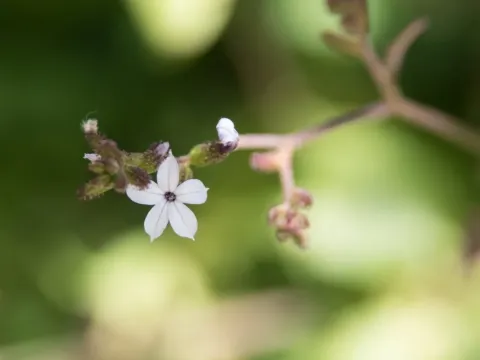
Plumbago pulchella
Plumbago pulchella
Plumbago pulchella, commonly known as a member of the Plumbaginaceae family, is a herbaceous perennial native to the highland regions of Mexico. It is valued for its unique botanical structure and aesthetic appeal in landscape and horticultural applications.
What the section contains
Plumbago pulchella
The plant features distinct tubular flowers typically displayed in terminal inflorescences. Its growth habit is characterized by sturdy, upright stems that require adequate space to develop a well-structured form during the active growing season.
Successful cultivation of this species requires well-draining soil with a neutral to slightly acidic pH. Incorporating organic matter into the planting site improves nutrient availability and water retention, though waterlogging must be strictly avoided to prevent root diseases.
Climatic requirements focus on sunny or partially shaded locations. Plumbago pulchella thrives in temperate conditions, where moderate temperatures and consistent but controlled irrigation levels are maintained to ensure optimal physiological function.
Maintenance practices include seasonal pruning to encourage denser foliage and periodic fertilization with balanced macronutrients. Proper aeration and consistent monitoring of soil moisture levels are essential for the long-term health of the crop.
Common plant health threats include fungal infections such as root rot, which are often triggered by poor drainage and excessive moisture accumulation in the root zone.
Pest pressure is frequently observed from spider mites, especially in environments with low relative humidity, leading to leaf discoloration and stunted growth.
Aphids can also infest the terminal shoots, necessitating integrated pest management strategies to protect the plant's delicate tissues from damage.
Maintaining proper planting density is a critical cultural practice to improve airflow, which significantly reduces the risk of foliar pathogens spreading between plants.
Regular scouting and the use of targeted systemic treatments are recommended to manage pest populations effectively before they reach levels that cause economic or aesthetic damage.