
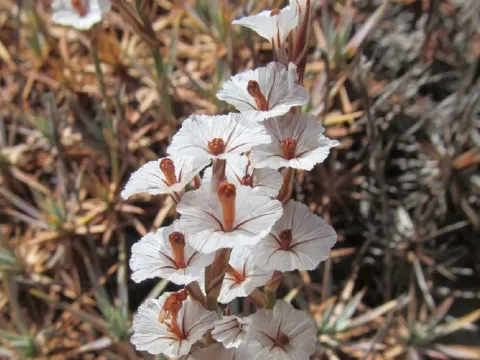
Prickly thrift
Acantholimon glumaceum
Propagating Acantholimon glumaceum is most effectively achieved through seeds or stem cuttings. Seed sowing is ideally done in autumn, allowing for a natural cold stratification period throughout the winter, which significantly improves germination rates.
What the section contains
Prickly thrift
When sowing in containers, use a gritty, well-draining substrate to ensure the seeds remain in a stable, moist but never waterlogged environment. Gentle bottom heat may be used if sowing indoors during late winter.
Cuttings should be taken in late summer from side shoots that have not yet flowered. Carefully root these in a mixture of sharp sand and perlite under a light mist or protected frame to maintain humidity without saturation.
The plant is known for its slow growth rate, making it a patient process to establish mature specimens. Always aim for permanent placement as early as possible to minimize root disturbance, which the plant dislikes.
Once established, the plant will form a dense cushion. Ensure adequate spacing between plants to allow for healthy airflow, which is critical to preventing moisture-related issues within the dense foliage.
Acantholimon glumaceum belongs to the Plumbaginaceae family and is native to the mountainous regions of the Caucasus and Turkey. It is a quintessential xerophyte, perfectly adapted to harsh, rocky environments with limited soil resources.
This species requires full, intense sunlight to maintain its compact, mound-forming habit. In insufficient light conditions, the cushions become sparse, the plant loses its structural integrity, and flower production ceases.
The soil must be lean and exceptionally well-draining, such as scree or sandy loam. Heavy soils are detrimental, as they retain too much moisture during the dormant season, leading to rot at the crown.
Acantholimon is highly drought-tolerant once established, thanks to its deep, woody root system. It thrives in low-fertility soils and rarely requires supplemental fertilization, which might otherwise cause weak, rapid growth.
It is perfectly suited for rock gardens, trough gardens, and alpine beds. The use of a thick gravel mulch around the base of the plant is recommended to keep the foliage dry and improve overall drainage.
The most significant threat to Acantholimon glumaceum is excess moisture combined with poor air circulation. Prolonged wetness around the crown during the winter months inevitably leads to crown rot and fungal decay.
While the stiff, pointed leaves act as a deterrent to many pests, aphids may occasionally attack the soft, emerging flower spikes in late spring. Monitoring and timely removal or light treatment are usually sufficient.
Root-knot nematodes can occasionally pose a problem in contaminated soils, leading to stunted growth. Using sterile, gritty planting medium is the most effective preventative measure against soil-borne pathogens.
In humid climates, the inner parts of the dense cushion can become prone to mildew. Keeping the plant in a high-ventilation area and ensuring the base remains dry are the primary methods for managing this risk.
Avoid excessive nitrogen fertilizers, as they encourage soft growth that is more susceptible to fungal infections. A disciplined approach to minimal care is often the best defense against common garden threats.