
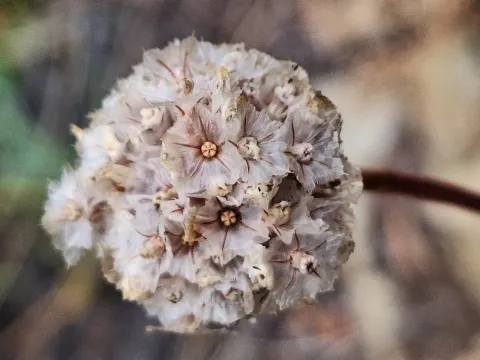
Thrift
Armeria (DC.) Willd.
Armeria, commonly known as Thrift, belongs to the Plumbaginaceae family. Seeds are typically sown outdoors in autumn or early spring when soil temperatures reach 10–12°C.
What the section contains


Thrift
For transplant production, seeds should be sown in trays in March. A period of cold stratification for about 7–10 days is highly recommended to improve germination rates.
When sowing, seeds should be covered with only a thin layer of substrate, as they require light to germinate effectively. The ideal temperature for seedling emergence is +18...+20°C.
Seedlings should be pricked out once two true leaves have developed. Planting at the permanent site should follow a spacing of 20x30 cm after the danger of late frost has passed.
The culture also propagates well through division, which should be performed every three to four years in the spring or autumn to rejuvenate the planting.
Armeria thrives in sunny locations with well-drained, light, sandy, or loamy soils. Good drainage is critical for the health of the plant.
The plant is highly sensitive to excessive moisture around the crown, so it is necessary to provide adequate soil drainage, especially in heavier or clay-rich areas.
This crop is well-adapted to temperate climates, showing excellent winter hardiness and reasonable tolerance to short periods of drought once established.
A neutral to slightly acidic pH is ideal for optimal growth. Excessive lime content in the soil can often lead to chlorosis and stunted development of the plant.
Regular but moderate watering is required during the active growing season, but waterlogging must be strictly avoided to prevent root and crown rot.
The most significant threat to Armeria is root and crown rot, which is almost always caused by poor soil drainage and waterlogged conditions.
Foliage can be susceptible to aphid infestations. These pests sap the vitality of the plant, potentially leading to stunted growth and the spread of viruses.
In cases of poor air circulation and high humidity, powdery mildew may develop, requiring treatment with systemic or contact fungicides.
Pest management involves the application of appropriate insecticides and the maintenance of a weed-free environment to prevent secondary issues.
Preventive measures include ensuring proper plant spacing for airflow, careful monitoring of soil moisture, and the prompt removal of spent flower stalks.