
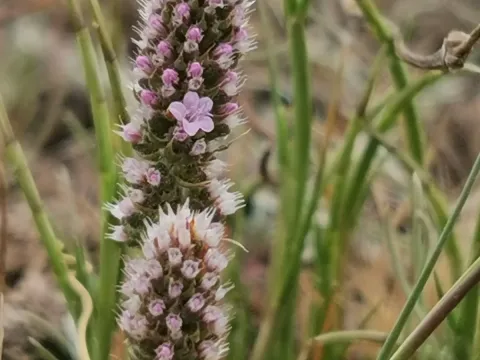
Psylliostachys
Psylliostachys
Sowing of Psylliostachys typically coincides with the early spring period, when soil moisture levels are optimal following winter precipitation. This timing is essential for ensuring successful germination in its natural arid environment.
What the section contains

Psylliostachys
In a controlled agricultural setting, it is recommended to sow seeds as soon as the danger of late frost has passed. Seeds should be placed at a shallow depth to ensure they remain in the moist zone of the topsoil.
A row-seeding method is preferred to allow for uniform spacing, which is crucial for optimal nutrient uptake. Proper spacing also facilitates easier mechanical weed control during the early development stages of the crop.
Germination is usually rapid if soil temperatures remain within the range of 15 to 20 degrees Celsius. In regions with limited spring rainfall, a light irrigation pass can significantly improve seedling establishment.
As the plant progresses, its roots quickly penetrate deeper layers to secure water. Early sowing is the key to achieving a robust root system before the arrival of intense summer heat and drought conditions.
Psylliostachys is a member of the Plumbaginaceae family and is recognized for its status as a halophyte. It thrives in saline soils where traditional agricultural crops struggle to survive, making it valuable for soil reclamation.
High levels of solar radiation are required for optimal growth. The plant is highly photophilous and will exhibit stunted growth or reduced biomass production if it is subjected to even moderate shading during the day.
Soil texture should prioritize high drainage and porosity. Despite its salt tolerance, Psylliostachys is sensitive to waterlogging, which can cause significant stress and lead to root decay in poorly drained fields.
The ideal climate for this crop includes high temperatures and low humidity, which are characteristic of its native ranges in Central and Western Asia. It is well-adapted to extreme temperature fluctuations.
This plant contributes to soil stabilization and can play a role in phytoremediation efforts. Its ability to extract certain minerals and manage soil salinity makes it an important candidate for sustainable arid land management.
The biomass yield of Psylliostachys is heavily dependent on the environmental conditions and the level of agricultural intervention. Though generally hardy, the plant responds positively to basic soil nutrient management.
Harvesting is typically timed during the peak flowering stage, which represents the point of maximum metabolic activity and nutrient concentration. This stage ensures the best possible quality of the harvested green biomass.
The specific biomass output per hectare can fluctuate significantly based on seasonal rainfall. A well-managed crop with supplemental moisture in the early stages can provide substantial yields even in marginal conditions.
Because the growth cycle of this species is relatively short, it is considered a single-cut crop. Once the plant completes its reproductive phase, the vegetative growth stops completely, leading to senescence.
Future potential for yield improvement lies in selecting cultivars that are adapted to specific saline levels. Consistent field monitoring ensures that the plants reach their full development potential within their limited growing season.
The primary threats to Psylliostachys are fungal infections induced by excessive soil or ambient moisture. These pathogens can cause root and stem rot, particularly during the seedling stage when plants are most vulnerable.
Pests common to arid regions, such as various species of grasshoppers, can cause localized damage. They primarily target young, succulent leaves, potentially hindering the plant's ability to reach full development.
Competition from weeds is a significant concern during the first few weeks after emergence. Timely cultivation between rows is necessary to prevent weeds from outcompeting the crop for scarce moisture and sunlight.
Improper crop rotation can contribute to an increased incidence of diseases. It is advised to avoid planting Psylliostachys consecutively in fields that have previously hosted other members of the Plumbaginaceae family.
Integrated pest management strategies are recommended if pest populations cross economic thresholds. Using environmentally friendly bio-agents helps maintain the natural balance without affecting the soil chemistry.
Harvesting should be conducted during the mass flowering period to ensure the highest yield of useful plant material. Mechanical cutters are used, ensuring that the height of the cut preserves the plant's structural integrity.
If the goal is to harvest seed, the timing becomes even more critical. The crop must be harvested as soon as the seeds reach physiological maturity to prevent losses due to natural dehiscence or shattering.
After cutting, the biomass can be left to wilt for a short duration to reduce moisture content. This step is particularly helpful for logistical reasons, making the crop easier to transport and store subsequently.
Post-harvest cleaning is essential to remove soil debris and weed seeds, ensuring the quality of the raw material. This cleaning process is vital for farmers planning to store the product for later sale.
Seed storage must occur in a cool, dry environment to maintain high germination rates. Under optimal storage conditions, seeds can remain viable for several years, allowing for flexible planning for future seasons.