
Goniolimon speciosum
Goniolimon speciosum
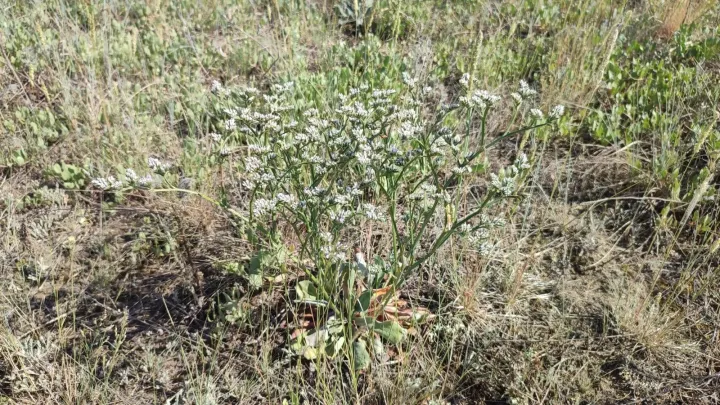
Description
Sowing dates
Goniolimon speciosum, commonly known as a type of statice or sea lavender relative, belongs to the Plumbaginaceae family. It is a hardy perennial typically propagated by seeds.
Seeds are sown in early spring, usually in March or April, inside greenhouse trays or cold frames to ensure high germination rates before the outdoor planting season.
Seedlings require careful handling during the transplanting phase because the plant develops a deep taproot early on. It is recommended to use biodegradable pots to minimize root disturbance during planting.
The hardening-off process is crucial before moving the young plants to the open field. This should be done gradually over two weeks once the risk of spring frost has completely passed.
When sowing directly into the field, choose a warm, well-prepared site with fine soil structure to ensure the tiny seeds have good contact with the earth, covering them only lightly with a thin layer of sand.
Growing requirements
As a light-demanding plant, Goniolimon speciosum requires full sun exposure to thrive. Any degree of shading will negatively impact the plant's structural integrity and its ability to flower.
The plant performs best in sandy or loamy soils with excellent drainage. It is naturally adapted to dry, steppe-like environments and does not tolerate waterlogged conditions or heavy clay soils.
Temperature tolerance is high for this species, making it suitable for areas with hot, dry summers. It can withstand occasional drought stress due to its specialized root system.
Soil pH should ideally be neutral to slightly alkaline. The plant is known for its salt tolerance, making it an interesting candidate for coastal or Mediterranean-style landscaping.
Routine maintenance includes keeping the area free of competing weeds, especially during the first year of growth, as the plant can be slow to establish itself in the presence of aggressive flora.
Yield
The primary economic output of Goniolimon speciosum is its ornamental inflorescences, which are highly prized in the floral industry as high-quality dried flower materials.
The plant produces large, branching panicles of small, vibrant flowers that maintain their structural shape and pigmentation long after harvest, making them ideal for long-term floral arrangements.
In optimal cultivation conditions, a single mature plant can produce a significant yield of flowering stems, depending on the spacing and nutrient availability of the soil.
Sustainable harvesting techniques ensure that the plant remains healthy for multiple seasons. Careful management of the foliage is necessary to support the plant's energy reserves for the following year.
Dried stems of this species are extremely durable and serve as a staple for decorators and florists looking for sustainable, natural materials with long shelf lives.
Main diseases and pests
Goniolimon speciosum is generally hardy, but it is susceptible to fungal infections in humid or poorly ventilated conditions. Root rot is the most common cause of crop loss.
Pests such as aphids and spider mites can occasionally affect the plant, particularly in sheltered or overcrowded areas. Prompt identification and localized treatment are recommended.
To prevent disease, it is essential to ensure adequate plant spacing, which improves airflow around the base and foliage, keeping the microclimate dry and unfavorable for pathogens.
Avoid overhead irrigation as it promotes the spread of leaf spot diseases. Drip irrigation or careful ground-level watering is a preferred method for commercial cultivation.
Integrated pest management, including the use of beneficial insects and natural deterrents, can effectively manage low-level infestations without damaging the quality of the dried flowers.
Harvesting
Harvesting should be timed to capture the flowers at their peak maturity, typically when most of the florets on the panicles have fully opened and are bright in color.
Stems must be cut with sterilized shears to prevent the spread of disease between plants. The harvest should always occur on a dry day, well after the morning dew has evaporated.
Bundling the harvested stems should be done carefully to allow for air circulation between the flower heads while drying, preventing moisture entrapment that leads to molding.
Drying is best accomplished in a dark, airy shed. Direct sunlight during the drying process will bleach the natural colors and reduce the market value of the final dried product.
Once fully dried, the stems can be stored in clean, moisture-free containers. They represent a low-maintenance, high-value crop that remains popular in international floral markets.