
Plumbago zeylanica
Plumbago zeylanica
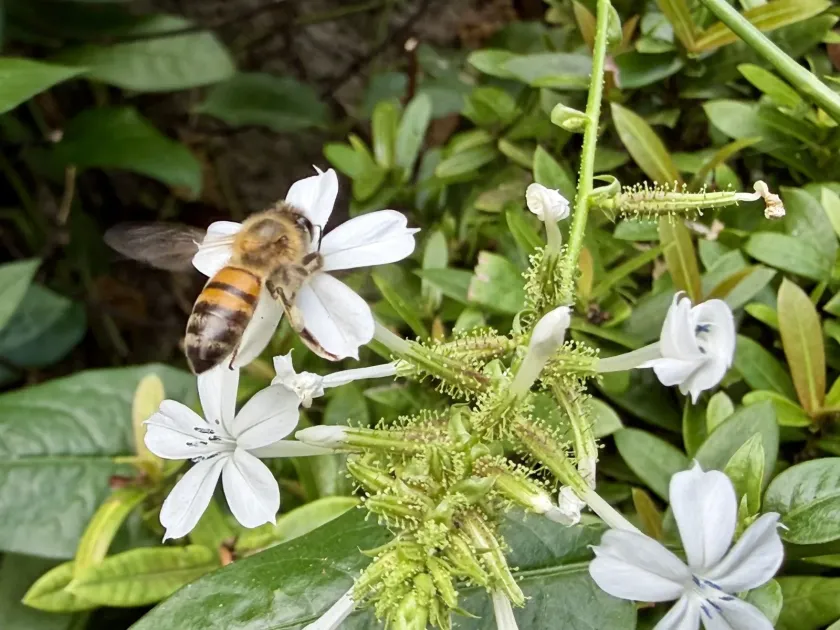
Description
Sowing dates
Plumbago zeylanica is propagated through seeds or stem cuttings, requiring a consistent temperature between 22 and 25 degrees Celsius for optimal germination.
Seeds should be sown in a well-draining, nutrient-rich substrate, ensuring the container remains in a spot with bright, indirect sunlight to prevent dehydration.
Propagation by cuttings is often preferred for maintaining the genetic purity of the plant, utilizing healthy green stems treated with rooting hormones.
The hardening-off process is crucial; young plants must be gradually acclimated to outdoor conditions to withstand environmental stressors and wind pressure.
Space the plants adequately when transplanting, as the species tends to grow into a sprawling semi-shrub that requires significant room for branch development.
Growing requirements
As a member of the Plumbaginaceae family, this plant is a resilient perennial shrub native to tropical and subtropical regions across Asia and Africa.
The crop thrives in full sunlight but demonstrates high tolerance to partial shade, making it adaptable to diverse microclimatic conditions in field settings.
The soil should be fertile, sandy, or loamy with excellent drainage, as the species is highly susceptible to root damage in waterlogged or heavy clay soils.
Regular irrigation is vital during the establishment phase, though mature plants show a notable resistance to short-term dry spells once their root systems are robust.
Temperature management is critical; the plant is sensitive to frost and must be protected or grown in sheltered environments where temperatures remain above 15 degrees Celsius.
Main diseases and pests
The crop is occasionally prone to infestations by spider mites, aphids, and mealybugs, which are typically encouraged by dry indoor or greenhouse air conditions.
Fungal issues, such as root rot and leaf spot, frequently occur in environments with poor ventilation or excessive humidity, leading to significant yield loss.
Integrated pest management strategies are recommended, focusing on maintaining plant hygiene and removing any localized infections before they spread to the crop.
If chemical intervention is necessary, it must be performed with caution, strictly adhering to safety guidelines to avoid contaminating the medicinal plant tissue.
Cultural control, including balanced fertilization and proper spacing, plays a major role in keeping the plants vigorous enough to naturally resist minor pests.
Harvesting
The primary economic focus of Plumbago zeylanica is the harvest of its roots and aerial parts, which are rich in the secondary metabolite known as plumbagin.
Roots should be harvested from plants that are at least two years old to ensure a high concentration of active compounds, which are essential for pharmaceutical use.
Post-harvest processing involves immediate washing, followed by slicing and drying the material in well-ventilated, shaded areas to preserve its therapeutic integrity.
Leaf harvesting is generally conducted during the peak flowering season, providing a steady supply of biomass for extract preparation in medicinal manufacturing.
Storage requirements include cool, dry, and dark conditions to prevent the degradation of chemical constituents, ensuring the product maintains its market quality.