
Goniolimon rubellum
Goniolimon rubellum
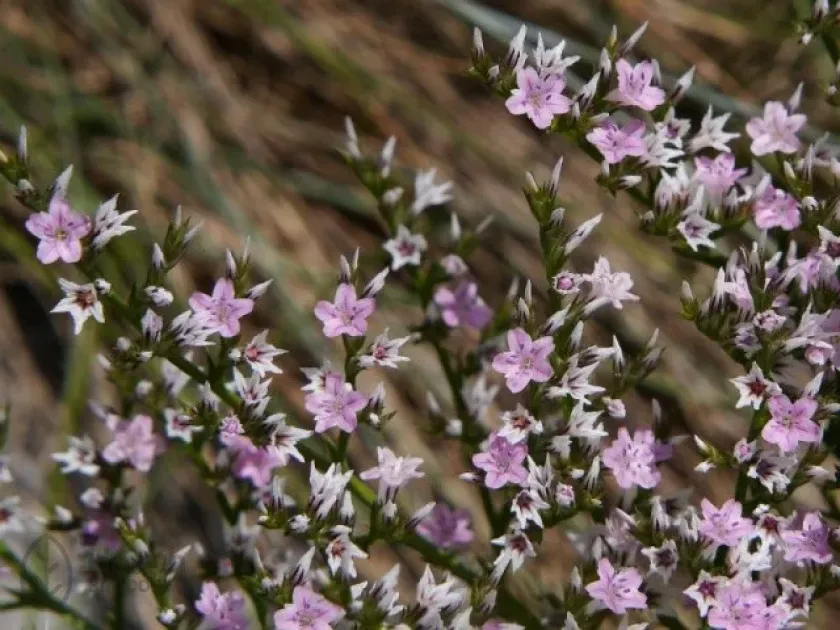
Description
Sowing dates
The propagation of Goniolimon rubellum is typically initiated in the spring, once the soil has warmed sufficiently. Sowing can be performed directly into prepared outdoor beds or through a nursery approach to ensure earlier flowering in the first season.
Seeds possess a hard coat that may require stratification or soaking to ensure uniform germination. When using a nursery method, sow in a light, well-draining substrate in late winter or early spring, maintaining consistent moisture levels.
Transplanting into the permanent garden site should occur only after the danger of frost has passed. It is crucial to harden off seedlings gradually over a period of about ten days to facilitate their adaptation to outdoor environments.
Proper spacing is essential to minimize disease risk. A distance of 30 to 40 centimeters between individual plants is recommended, ensuring optimal airflow and light penetration across the planting area.
When sowing, cover the seeds with a very fine layer of soil. Avoiding excessive burial is vital for success, as the seeds require slight exposure and consistent, moderate moisture to sprout successfully without rotting.
Growing requirements
Goniolimon rubellum, a member of the Plumbaginaceae family, is a highly resilient xerophyte. It thrives in full sunlight, which is necessary to maintain its structural integrity and the vivid coloration of its characteristic inflorescences.
The species prefers light, sandy, or loamy soils with excellent drainage. It is highly intolerant of waterlogged conditions, which can lead to rapid root decay and plant mortality, especially in heavy clay-based soils.
This plant is notably drought-tolerant and displays a high degree of salinity resistance, making it an excellent candidate for planting in degraded or saline soils where other ornamental varieties might fail to flourish.
Soil pH should ideally be in the neutral to slightly alkaline range. If the growing medium is significantly acidic, applying lime can improve plant health and ensure more robust growth throughout the vegetative cycle.
The plant demonstrates significant temperature adaptability but prefers moderate climates. In areas prone to harsh winters, providing protective mulch can help secure the crown and roots against extreme cold and freezing cycles.
Yield
Yield for Goniolimon rubellum is measured by the number and quality of floral stems produced for floristic use. Consistent care and proper site selection are key determinants of the overall marketability of the crop.
Deadheading spent flowers is a recommended practice to stimulate secondary growth and extend the plant's aesthetic utility. This allows the plant to focus its energy on producing new, high-quality stalks during the growing season.
Application of balanced, low-nitrogen fertilizers helps support strong, durable stems. Excessive nitrogen should be avoided as it encourages vegetative growth at the expense of floral production and stem longevity.
The lifespan of a single plant is typically between three and five years. Regular rejuvenation or periodic replanting is necessary to maintain high production levels, as older plants eventually experience a decline in flowering intensity.
Optimal yield is contingent on harvesting techniques that preserve the plant's health. With proper irrigation and weed control, a well-managed crop can produce a significant number of stems annually for both local and professional use.
Main diseases and pests
Root rot, driven by excessive soil moisture and poor drainage, represents the primary threat to this species. Preventive measures include ensuring good aeration in the soil and avoiding over-irrigation during humid periods.
Powdery mildew may occur when humidity remains high and airflow is insufficient. Improving plant spacing and monitoring for early signs of fungal infection allows for effective management through standard cultural practices.
Pests such as aphids and spider mites can attack new growth during the spring. If populations reach damaging levels, the use of mild horticultural soaps or systemic insecticides may be necessary to protect the foliage and developing buds.
Small mammals or rodents may pose a risk to the roots during winter months. Protecting the root zone with barriers or maintaining a clean site can minimize the risk of damage from burrowing animals.
The general health and immunity of the plant are bolstered by consistent maintenance of growing conditions. Plants that are not stressed by lack of sunlight or poor drainage show a high resistance to most typical garden pathogens.
Harvesting
The harvest should occur when the flowers are fully open. This timing is critical to ensure that the dried material retains its structure, color, and ornamental value for use in professional arrangements.
Harvesting is best performed in the morning after the dew has evaporated but before the heat of the day. Using clean, sharp shears prevents unnecessary bruising and ensures a clean cut for faster plant recovery.
Stems should be hung upside down in a dark, dry, and well-ventilated area to dry. Direct exposure to sunlight must be avoided to prevent fading of the natural pigments, preserving the vibrant appearance of the flowers.
The drying process typically lasts two to three weeks, depending on ambient humidity. Once fully dried, the flowers remain durable and maintain their shape, making them highly sought after for long-lasting decorative compositions.
Storage of the finished product requires a dry environment with low humidity. Proper care in storage prevents rehydration and the subsequent development of mold, ensuring the longevity of the dried floral harvest.