
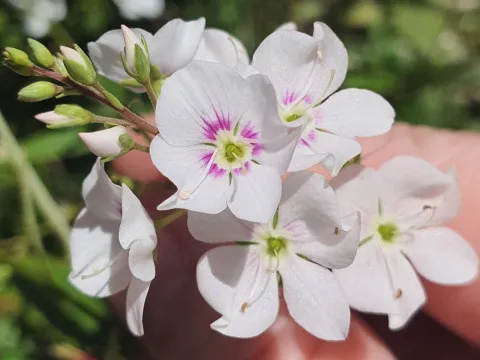
Veronica catarractae
Veronica catarractae
Veronica catarractae is a perennial herbaceous plant belonging to the Plantaginaceae family. Originally native to New Zealand, this species is typically found along riverbanks and moist rocky environments, which directly dictates its specific horticultural requirements for cultivation in garden settings.
What the section contains
Veronica catarractae
Botanically, it is recognized as a compact, evergreen subshrub. The plant features lanceolate or ovate leaves with serrated margins and produces delicate, raceme-like flower spikes in white or pale pink shades. Its elegant habit makes it a prized specimen for rock gardens and borders.
The culture thrives in well-drained, fertile soil with consistent moisture levels. Good drainage is non-negotiable for Veronica catarractae, as stagnant water in the root zone quickly leads to rot. Incorporating grit or coarse sand into heavy soils is essential for optimal drainage and aeration.
This plant prefers sunny positions but can tolerate light partial shade, especially in hotter climates. While it displays some resilience, it is not fully hardy in extremely cold regions and usually requires protection during winter months to prevent damage from frost and cold, desiccating winds.
Standard agronomic maintenance includes regular irrigation during dry spells and a balanced application of slow-release fertilizers during the spring growth phase. Deadheading spent flowers is highly recommended, as it encourages bushier growth and promotes a second flush of bloom later in the season.
The most significant threats to Veronica catarractae are fungal pathogens, specifically those causing root and crown rot. These issues are almost always linked to poor soil drainage or excessive irrigation, which creates an anaerobic environment unfavorable for the plant's health.
Pest pressure mainly comes from aphids and leaf-chewing insects that target tender spring growth. If infestations are severe, they can severely stunt the plant's development and distort the foliage, necessitating the use of targeted insecticide treatments to manage the population effectively.
Powdery mildew is another common concern, especially when plants are grown in overcrowded conditions with poor air circulation. This fungal condition creates a superficial white coating on leaves, which detracts from the plant's visual appeal and limits its capacity for photosynthetic production.
Preventative measures are centered on spatial management and hygiene. Keeping the area free of debris and ensuring sufficient gaps between specimens prevents the rapid spread of spores and pests, maintaining a healthy, vibrant display throughout the growing cycle.
Routine inspection of the plant foliage is an essential management practice. By detecting signs of stress or pest presence early, a grower can apply corrective treatments before the health of the entire plant is compromised, ensuring longevity and consistent decorative performance.