
Veronica colensoi
Veronica colensoi
Description
Growing requirements
Veronica colensoi is an evergreen subshrub belonging to the Plantaginaceae family. Native to the mountainous regions of New Zealand, it has evolved to thrive in rocky environments, which informs its specific cultivation needs in garden settings.
The plant demands well-drained, gritty soil to replicate its natural habitat. It is highly sensitive to waterlogged conditions, which can lead to rapid root decay; therefore, a rock garden or a sloped landscape is the ideal environment for its successful establishment.
Optimal growth is achieved in full sun, though the plant can tolerate light shade. In cooler climates, providing a sheltered spot is essential to protect the foliage from harsh winter winds and excessive moisture, which can compromise its health during the dormant season.
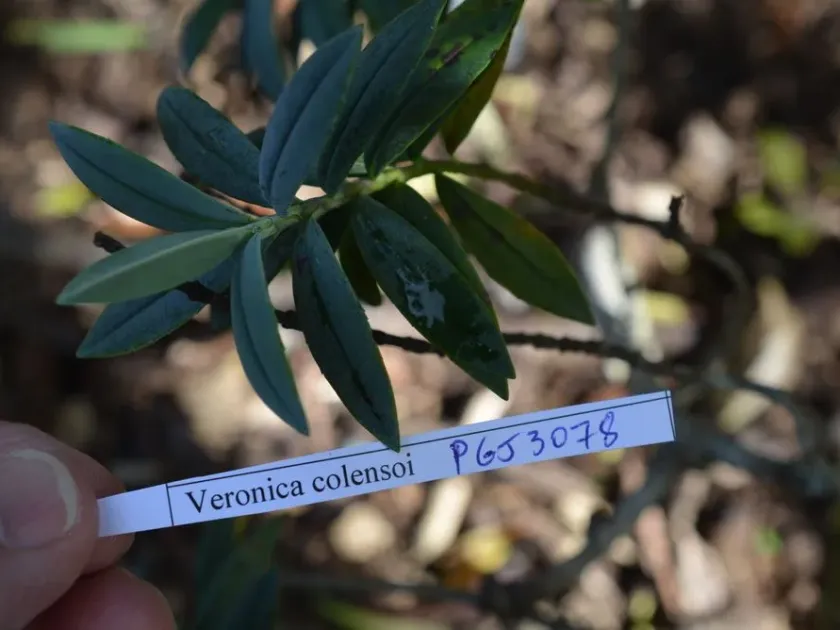
Botanically, this species is noted for its compact, bushy habit and rigid, glaucous leaves. Its flowers, which appear in summer, are arranged in dense terminal racemes, typically appearing in white or light lilac tones, adding a delicate texture to the landscape.
In terms of agricultural and horticultural use, Veronica colensoi is strictly an ornamental species. It is widely prized by landscape designers for rockeries, coastal gardens, and container planting, where its structural form provides year-round interest.
Main diseases and pests
The most significant threat to Veronica colensoi is fungal infection, particularly root rot, caused by poor drainage and excessive humidity. Maintaining a dry soil surface around the base of the plant is a critical preventive measure for long-term survival.
Pest issues are generally minimal, although aphids may occasionally infest new growth during the spring. Monitoring is advised, and manual removal or insecticidal soap is usually sufficient to address any infestations without the need for harsh chemical treatments.