
Veronica cana
Veronica cana
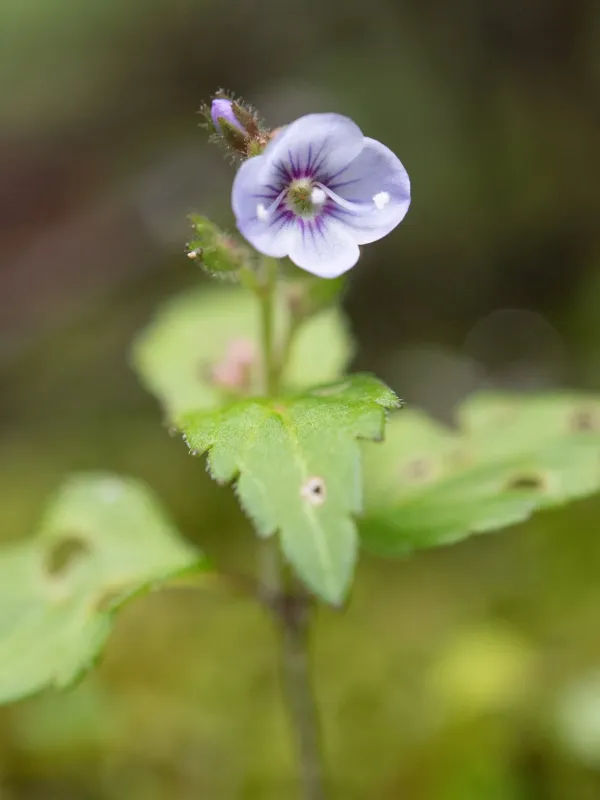
Description
Sowing dates
Veronica cana, a member of the Plantaginaceae family, is typically propagated through seeds or division of mature clumps. Direct sowing in open fields is best performed in early spring or late autumn, ensuring the seeds are lightly covered with soil.
The germination process requires consistent moisture and soil temperatures between 15°C and 20°C. Seeds are tiny and require access to sunlight to germinate effectively, so they should not be planted deep into the substrate.
When grown from seeds, the plants typically form a basal rosette in the first growing season. Significant stem development and flowering occur from the second year onwards as the root system establishes firmly in the soil.
Vegetative propagation via clump division is the preferred method for maintaining genetic consistency. It is best performed in early spring, as the plant emerges from winter dormancy, or immediately after the flowering period.
For commercial cultivation, proper spacing is essential to ensure adequate airflow between plants. Typically, a density of 9 to 12 plants per square meter is recommended to prevent overcrowding and maintain plant vigor.
Growing requirements
Veronica cana thrives in well-lit, sunny environments. Adequate sunlight is crucial for the development of its signature foliage color and overall structural integrity; shaded conditions often lead to undesirable stem elongation.
The plant demonstrates good drought tolerance once established, owing to its deep root system. While it can withstand dry spells, supplemental irrigation during peak summer temperatures improves overall plant health and appearance.
Soil quality is paramount, requiring excellent drainage to prevent root rot. The culture prefers sandy or loamy soils with a neutral to slightly alkaline pH, which facilitates efficient nutrient uptake and vigorous growth.
This species is well-adapted to various climates, showing high winter hardiness. In regions with harsh, snowless winters, applying a light layer of mulch can help protect the crown and root system from extreme temperature fluctuations.
As an ornamental culture, it requires minimal fertilization. However, a balanced NPK fertilizer applied in early spring can promote more profuse flowering and denser foliage development throughout the growing season.
Main diseases and pests
Powdery mildew is the most common fungal issue for Veronica cana, especially in regions with high humidity. Improving air circulation by thinning out dense foliage is the best cultural practice to prevent outbreaks.
Root rot remains a significant threat if the soil remains waterlogged. Ensuring that the planting site has adequate slope or a gravel-based drainage layer is critical to prevent pathogen development in the rhizosphere.
Insect pests, such as aphids, may occasionally infest the tender shoots and leaves. Regular monitoring is essential, as early intervention with insecticidal soaps can prevent large-scale damage to the crop.
Leaf-feeding beetles or caterpillars can damage the foliage, reducing the aesthetic value of the plant. If pest pressure is high, targeted applications of systemic or contact insecticides may be necessary to preserve the plant's health.
Maintaining a clean growing area by removing decaying plant matter is a fundamental aspect of integrated pest management for this culture. Proper sanitation significantly reduces the inoculum potential for various leaf spots and soil-borne diseases.