
Veronica buchananii
Veronica buchananii
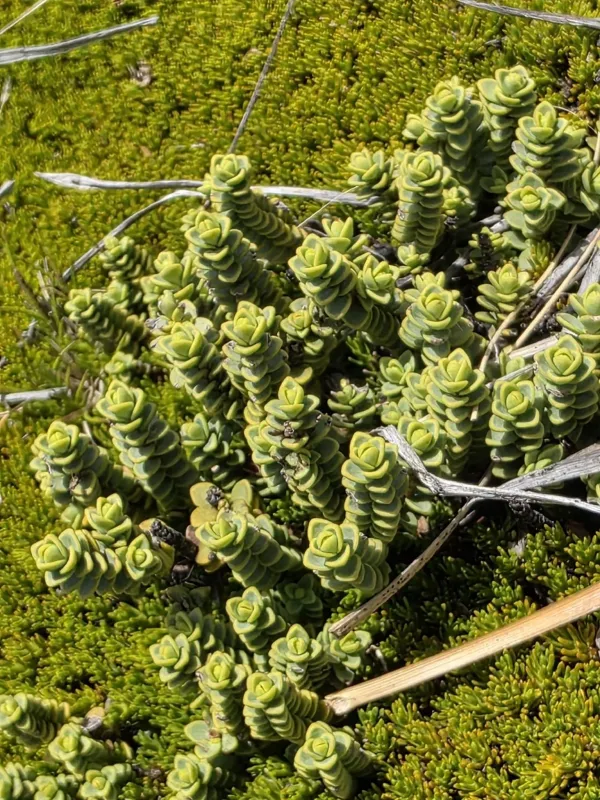
Description
Growing requirements
Veronica buchananii, often listed under the genus Hebe, is a hardy evergreen shrub belonging to the Plantaginaceae family. Originally from the alpine regions of New Zealand, this plant has evolved to thrive in rocky, well-draining soils with exposure to wind and sun.
The plant requires a sunny location to maintain its tight, cushion-like habit. If placed in too much shade, the plant tends to lose its structural integrity and becomes sparse, losing its ornamental appeal in rock garden compositions.
Soil requirements are quite specific: the substrate must be extremely porous. Gardeners often add grit or coarse sand to the planting hole to ensure water does not accumulate around the roots, as moisture retention is a primary cause of plant death.
Climate adaptability is limited to temperate zones. While it can withstand some frost, extreme cold winters or prolonged wet autumns require protection, such as fleece covers or a thick layer of organic mulch to keep the root system safe.
Maintenance involves light pruning after the flowering season to preserve the desired shape. Fertilization should be kept to a minimum, as the species is adapted to lean soils and excessive nitrogen can lead to rapid, weak growth prone to winter damage.
Main diseases and pests
The main threats to this species are fungal diseases associated with poor aeration and overwatering. Root rot is the most common issue, often occurring in poorly drained soils during high-humidity seasons or periods of heavy rainfall.
Pests such as aphids and spider mites can attack the foliage, especially when the plant is stressed by environmental factors like drought or extreme heat. Regular inspection of the plant's dense foliage is crucial for early detection.
To control pests and diseases, ensure adequate spacing between plants to facilitate air movement. High-density planting increases the risk of mold and bacterial infections that flourish in stagnant air conditions.
Fungicidal applications may be necessary during wet spring weather to protect sensitive foliage from spot-forming fungi. Always follow the manufacturer's recommendations regarding concentration to avoid foliage burn.
Physical damage from wildlife or heavy snow accumulation can also threaten the shrub. Providing structural support or protective coverings during winter is a recommended practice to avoid breakage of the woody stems.