
Veronica daurica
Veronica daurica
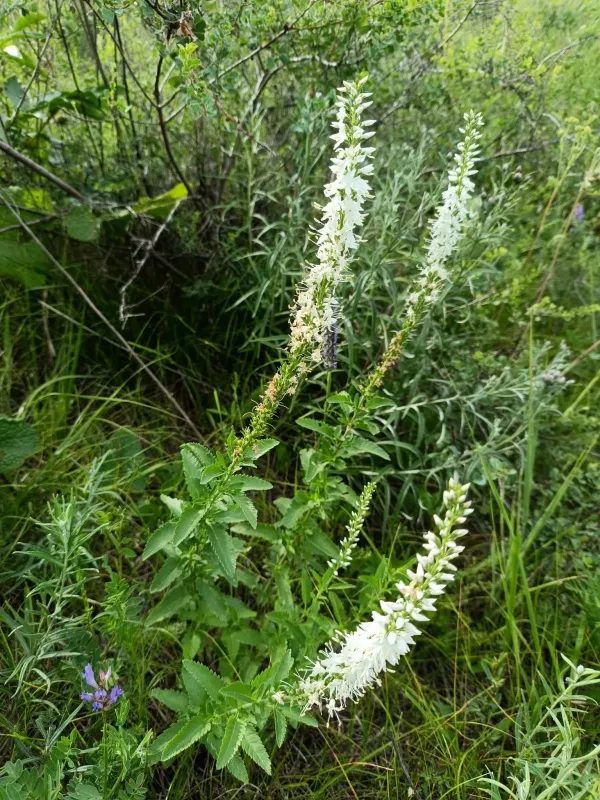
Description
Growing requirements
Veronica daurica is a herbaceous perennial plant belonging to the family Plantaginaceae. It is native to the regions of East Siberia, the Far East, and Mongolia, thriving in meadows, rocky slopes, and forest edges where environmental conditions are typically harsh.
The cultivation of this plant requires sunny locations, as direct sunlight is essential for optimal growth and flowering. It is characterized by excellent frost resistance, making it a reliable perennial in cold climate zones where other species might fail to survive.
For successful agricultural production, the soil should be loose, fertile, and well-drained. Veronica daurica prefers a neutral to slightly acidic pH and does not tolerate waterlogging, which necessitates careful site selection and proper irrigation management.
Botanically, it features an upright stem, reaching 30 to 50 centimeters in height, with opposite leaves and dense, spike-like inflorescences of blue or violet flowers. The root system is creeping, allowing the plant to form dense mats when conditions are ideal.
Economically, the crop is valued in the ornamental plant industry for rock gardens and naturalistic landscapes, as well as in herbal medicine due to its chemical profile containing glycosides and flavonoids beneficial for health.
Main diseases and pests
The primary pathological threat to Veronica daurica is powdery mildew, which tends to emerge in environments with stagnant air or excessive humidity levels during the peak growing season.
Various insect pests, including aphids and leaf-eating beetles, can cause significant damage to the foliage, thereby reducing the plant's overall health and aesthetic value.
Effective management includes maintaining proper plant spacing to ensure adequate air circulation and preventing excessive dampness in the soil to discourage fungal development.
Integrated pest management strategies are recommended, focusing on early detection of infestations and the use of botanical or biological control agents when necessary.
Regular maintenance, such as weeding and the removal of infected plant debris, is critical to preventing the overwintering of pathogens and maintaining a healthy crop throughout the season.