
Veronica cinerea
Veronica cinerea
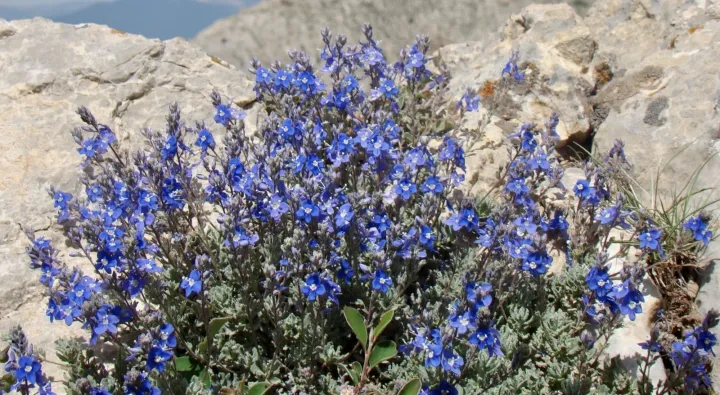
Description
Growing requirements
Veronica cinerea is a low-growing perennial herb belonging to the Plantaginaceae family. Known for its distinct silvery-grey foliage, this plant is native to arid mountain regions, which defines its preference for harsh, sun-drenched environments where other garden varieties might struggle.
The plant thrives in poor, well-draining soils with a sandy or rocky composition. It is an ideal species for rock gardens and xeriscaping, as it requires minimal soil enrichment and demonstrates exceptional hardiness in nutrient-deficient substrates compared to typical agricultural crops.
Climate requirements for Veronica cinerea are strictly defined by its need for intense solar radiation and low atmospheric humidity. It performs best in regions with warm summers and cold winters, provided that the growing site remains free from stagnant moisture throughout the year.
In terms of agricultural techniques, propagation is usually carried out through division of established clumps or by sowing seeds in spring. Due to its slow initial growth rate, seedlings require careful weeding during the first few months to prevent competition from more aggressive weeds.
Economically, Veronica cinerea is highly valued in the nursery industry as a high-quality ornamental groundcover. Its ability to tolerate periods of extreme drought makes it a sustainable choice for urban landscaping projects aiming to reduce water consumption in public green spaces.
Main diseases and pests
The most common threats to Veronica cinerea involve fungal infections triggered by excessive moisture. Powdery mildew is particularly prevalent during humid spells, appearing as a dusty white coating on the leaves and inhibiting the plant's ability to perform photosynthesis effectively.
Root rot represents a critical danger if the soil drainage is inadequate. Pathogens like Rhizoctonia thrive in waterlogged conditions, systematically destroying the root system and causing sudden decline of the plant, which is often difficult to reverse once symptoms appear.
Insect pests, specifically aphids and spider mites, can cause significant damage during the active growing season. These pests cluster on the underside of leaves and young shoots, weakening the plant and potentially introducing viral diseases through their feeding activities.
Prevention is the primary management strategy for this species. Ensuring adequate spacing between plants allows for proper air circulation, which significantly reduces the humidity trapped within the foliage, thereby lowering the probability of fungal outbreaks.
Regular sanitation of the garden bed, including the removal of dead or decaying plant material, is essential to limit the overwintering of pathogens and pests. Integrated pest management practices are recommended to maintain the long-term health and aesthetics of the plant collection.