
Veronica crista-galli
Veronica crista-galli
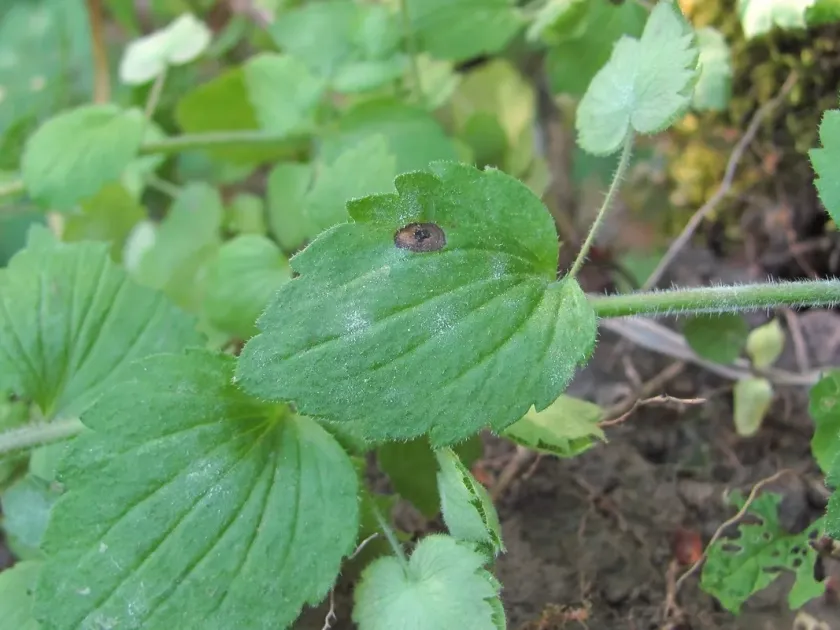
Description
Growing requirements
Veronica crista-galli is an annual herbaceous plant belonging to the Plantaginaceae family. In agronomy, it is primarily identified as a weed species that can establish itself in agricultural landscapes, particularly in humid and shaded environments.
The native range of this species is largely centered in the Caucasus and Near East regions. It is well-adapted to environments that provide moderate to high moisture levels, such as forest margins and shrublands, which are often close to agricultural fields.
Morphologically, the plant is distinguished by its specific seed capsule structure, which features crest-like appendages. The stems are typically spreading or ascending, with small, opposite leaves that facilitate efficient photosynthetic activity in shaded light conditions.
Regarding soil requirements, the species favors fertile, nutrient-rich soils with good moisture retention capacity. It does not perform well in highly saline or waterlogged conditions, preferring well-drained loamy soils that support steady seasonal growth.
In terms of agricultural management, controlling Veronica crista-galli involves standard integrated pest management practices. Crop rotation, timely cultivation, and proper seedbed preparation are essential to prevent this species from becoming a significant competitor for resources in field crops.
Main diseases and pests
The plant is susceptible to several fungal diseases common to the Plantaginaceae family, particularly powdery mildew and various types of rusts that thrive under conditions of high relative humidity and poor air circulation.
Insect pests such as leaf beetles and aphids are known to feed on the foliage of Veronica species. These organisms can cause significant localized damage, though they are rarely considered major economic threats in a broader agricultural context.
Nematode infestations can occur in the root zone, potentially hindering nutrient uptake and overall development, especially when the plant grows in compacted soil conditions common in high-traffic agricultural zones.
Chemical control remains an effective strategy for managing Veronica populations. Selective herbicides are typically successful in eliminating the weed without significantly impacting the growth of primary crops when applied at recommended stages.
Preventive agronomic practices, such as maintaining soil health and preventing the development of a seed bank in the soil, are the most sustainable ways to limit the presence of this weed in commercial crop rotations.