
Veronica capsellicarpa
Veronica capsellicarpa
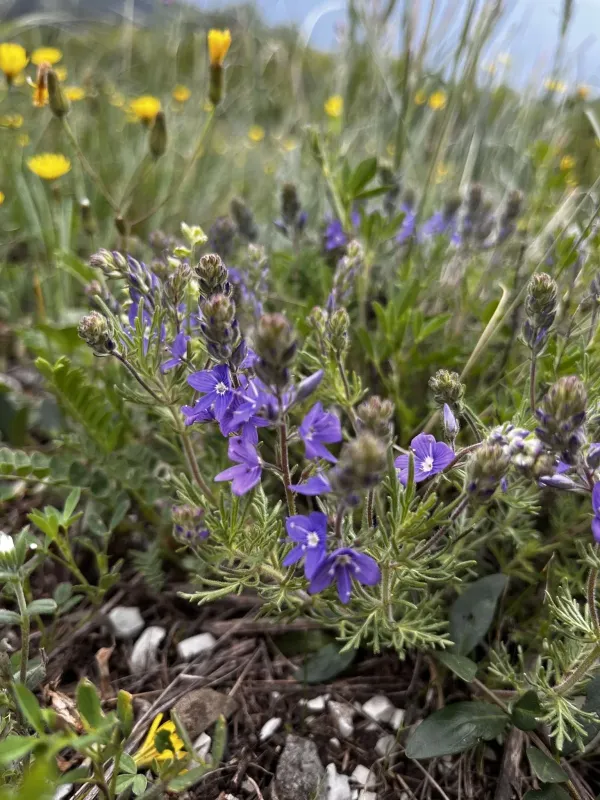
Description
Growing requirements
Veronica capsellicarpa is a perennial herbaceous plant belonging to the Plantaginaceae family. It is a specialized species adapted to harsh alpine environments, demonstrating significant resilience to extreme mountain conditions.
The natural range of this plant is primarily situated in the mountainous regions of the Caucasus. It typically inhabits screes, rocky outcrops, and subalpine meadows, where the substrate is predominantly mineral and well-drained.
In terms of climatic requirements, the species is perfectly adapted to cold temperatures, high solar radiation, and the short growing seasons typical of high-altitude ecosystems. It does not require intensive management as it is a wild-growing species.
Botanical characteristics include a compact growth form and specific fruit morphology, which resembles the shepherd's purse plant (Capsella). This unique trait serves as a diagnostic feature for taxonomists and botanists.
The species has no agricultural or industrial application. Its significance lies solely in its ecological contribution to mountain biodiversity and its role as a subject of botanical and conservation research.
Main diseases and pests
Habitat loss due to intensive grazing remains the primary threat to Veronica capsellicarpa populations. The physical degradation of soil and vegetation on steep slopes directly impacts the survival of these rare plants.
Pathogenic threats include fungal infections that affect the root system during periods of excess soil moisture. Furthermore, competition with more aggressive invasive plant species can hinder the growth and distribution of this alpine endemic.