
Veronica canterburiensis
Veronica canterburiensis
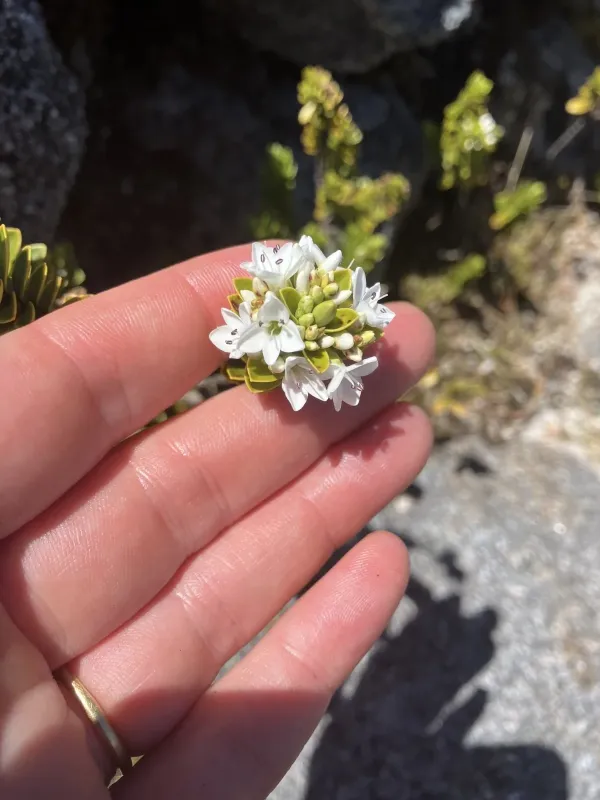
Description
Sowing dates
Propagation of Veronica canterburiensis is primarily achieved through stem cuttings, which ensures the maintenance of varietal characteristics. Cuttings should be taken in late spring or early summer when the plant is actively growing.
Seeds can also be used, although they are less commonly employed due to the risk of cross-pollination. Sowing should take place in a well-draining seed-starting mix under controlled conditions.
When transplanting into the garden, spacing is critical for long-term health. Allow at least 40 to 50 centimeters between individual plants to promote airflow and minimize fungal issues.
Before planting, amending the native soil with compost or well-rotted manure helps provide the necessary nutrients for initial growth and establishment.
Consistent moisture is required immediately after planting. However, once established, the plant shows moderate drought tolerance compared to many other garden shrubs.
Growing requirements
Veronica canterburiensis is an evergreen shrub belonging to the Plantaginaceae family. Originating from the South Island of New Zealand, it is well-adapted to rocky, mountainous landscapes.
The plant thrives in full sun to partial shade. In areas with extremely hot summers, some afternoon protection is recommended to prevent leaf scorching and excessive moisture loss.
Excellent drainage is the most vital requirement for this species. It performs best in gritty, neutral-to-acidic soils and will quickly succumb if the roots are left standing in wet, heavy clay.
Regarding climate, this shrub prefers cool to temperate environments. While it has decent cold tolerance, it may require protection from heavy frost or harsh, drying winter winds in colder regions.
Light pruning is beneficial after the flowering period. This practice maintains the plant's structural integrity and keeps the shrub looking tidy and dense throughout the growing season.
Main diseases and pests
The most common health issue for this plant is root rot caused by poor soil drainage. Ensuring that the planting site has been properly aerated and modified is the primary prevention strategy.
Aphids and spider mites are potential pests that tend to cluster on young, succulent shoots. Regular monitoring and the application of horticultural oils or soaps are typically effective remedies.
Powdery mildew can occur if the plant is situated in a location with stagnant air. Increasing airflow through careful pruning and removing diseased foliage are essential management steps.
It is important to keep foliage dry during irrigation, as water trapped on leaves can create an entry point for various bacterial and fungal pathogens.
Healthy plants are generally resilient, but periodic applications of a balanced, low-nitrogen fertilizer in the spring can help support overall vigor and disease resistance.