
Veronica decumbens
Veronica decumbens
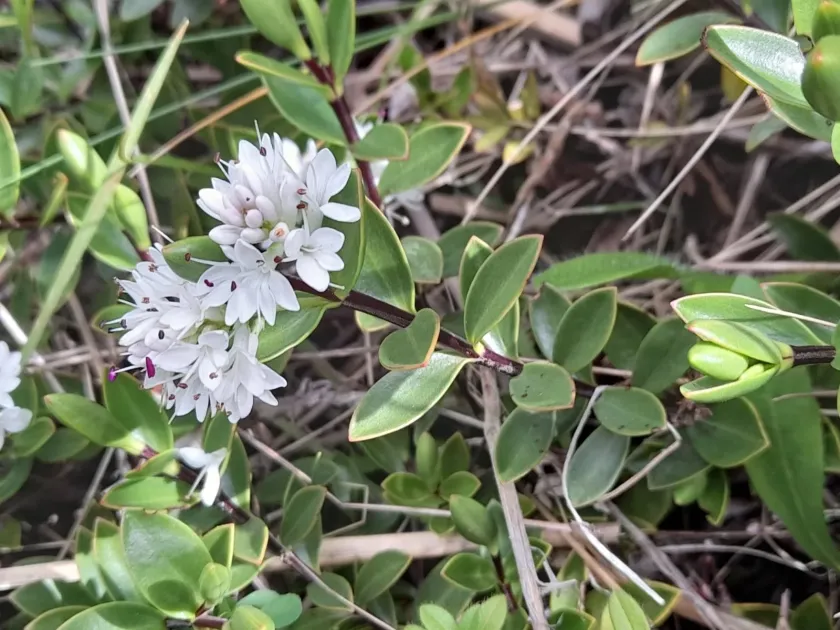
Description
Growing requirements
Veronica decumbens is a perennial herbaceous plant belonging to the Plantaginaceae family. It is widely recognized for its decumbent habit, meaning its stems trail along the ground, creating dense, attractive carpets of foliage.
Native to the alpine regions of New Zealand, this plant is well-adapted to cooler climates and high-altitude conditions. In a garden setting, it thrives best in full sun, which helps to maintain the plant's compact growth and vibrant leaf color.
The soil requirements for this species are specific: it necessitates well-drained, gritty, or sandy soil. It does not tolerate waterlogged conditions, which can lead to rapid root rot, making site preparation with good drainage essential.
Maintenance involves providing adequate water during dry spells, though the plant is relatively drought-tolerant once established. It is an excellent choice for rock gardens, stone walls, and slopes where soil erosion control is necessary.
Due to its hardy nature, it is highly valued in landscaping for its low-maintenance profile and year-round aesthetic appeal. It complements other alpine plants well, fitting perfectly into naturalistic garden designs.
Main diseases and pests
The primary threats to Veronica decumbens involve fungal diseases typically caused by poor drainage and excessive atmospheric humidity. Powdery mildew is the most common issue that may affect the foliage.
To mitigate these risks, it is recommended to ensure proper spacing between plants to allow for airflow. Removing any dead or decaying plant material helps prevent the accumulation of pathogens within the foliage mat.
Pests such as aphids and spider mites can occasionally target the succulent-like foliage. These pests can weaken the plant and reduce its aesthetic quality if left uncontrolled over an extended period.
Integrated pest management, including the use of horticultural soaps or specific insecticides, is recommended when pest populations reach economic injury levels. Regular monitoring is key to early detection.
Lastly, slug and snail activity may be observed in damp conditions. Using inorganic mulches like gravel or crushed stone around the plant base acts as a natural deterrent, protecting the stems from gastropod damage.