
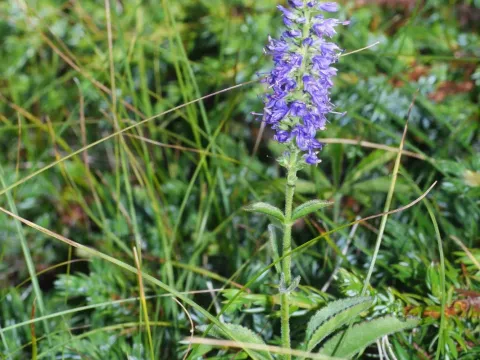
Barrelier's speedwell
Veronica barrelieri
Veronica barrelieri, known as Barrelier's speedwell, is a herbaceous perennial belonging to the Plantaginaceae family. This species is valued for its resilience and ability to thrive in harsh environments, making it a distinct subject for specialized agricultural and landscape study.
What the section contains
Barrelier's speedwell
Native to dry, rocky, and open habitats, this plant displays xerophytic traits. It prefers well-drained, alkaline or neutral soils, which are typical for its natural range in Central and Southern Europe. It is particularly effective for use in rock gardens or dry borders.
Sunlight exposure is a critical factor for the development of Veronica barrelieri. The plant requires full solar radiation to maintain its compact growth habit and vibrant flowering cycles; shaded conditions lead to poor performance and structural weakness.
In terms of soil preparation, consistency is key. The soil must offer excellent porosity to prevent moisture retention near the root crown, as this species is highly susceptible to root rot caused by poor drainage in winter or rainy seasons.
Agricultural management is relatively low-input. Once established, the plant shows strong drought tolerance, reducing the need for irrigation. It performs well on low-nutrient soils, minimizing the need for heavy fertilizer application throughout the growing season.
The primary pathogenic threat to the species is powdery mildew, which thrives during periods of fluctuating humidity. Proactive control involves using appropriate fungicides and ensuring adequate air circulation around the plants to prevent leaf infection.
Root rot is another significant concern, primarily triggered by waterlogging. Improving soil drainage and carefully managing the irrigation frequency are the best preventive strategies to avoid systemic plant loss during the vegetative phase.
Insect pests, specifically aphids and mites, can damage the foliage and cause stunted growth. Regular inspection of the undersides of leaves is recommended, as these pests can reproduce rapidly and weaken the plant's natural immunity against environmental stressors.
Thrips may cause damage during the flowering period, leading to distorted flower spikes. If infestation levels exceed economic thresholds, local treatment with specific insecticides is recommended to preserve the visual and biological health of the specimen.
Sanitation practices are essential for managing health. Removing decaying plant matter at the end of the season reduces the overwintering capacity of pests and pathogens, ensuring a cleaner environment for the next cycle of growth.