
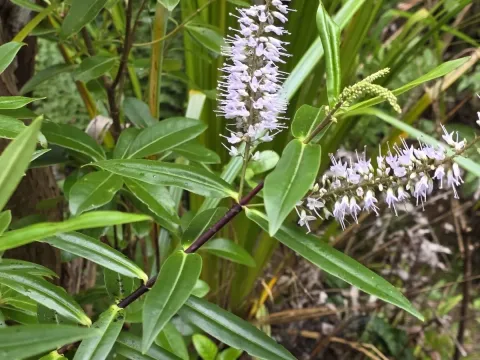
Bishop's speedwell
Veronica bishopiana
Bishop's speedwell (Veronica bishopiana) belongs to the Plantaginaceae family. This ornamental perennial is widely appreciated for its delicate flowers and compact growth habit, making it an excellent candidate for rock gardens and borders.
What the section contains
Bishop's speedwell
Originating from the mountainous regions of New Zealand, this plant has adapted to cooler temperatures. In horticultural settings, it thrives best when planted in well-draining, moderately fertile soil with a slightly acidic to neutral pH balance.
Sunlight exposure is a critical factor for the healthy development of this species. It requires a location with full sun to partial shade to maintain its characteristic compact form and ensure prolific blooming during the late spring and summer.
The plant requires consistent moisture, especially during the active growing season. However, it is essential to avoid waterlogging, as the root system is sensitive to prolonged exposure to stagnant water, which can trigger severe stress.
Regular maintenance involves removing spent flower spikes to encourage secondary blooming. Mulching the base of the plant helps retain soil moisture while suppressing weed growth, contributing to overall plant vigor.
The primary threats to Veronica bishopiana are fungal pathogens, most notably powdery mildew and leaf spot diseases. These often occur in humid, stagnant air conditions, emphasizing the need for proper planting spacing.
Pests such as aphids and spider mites can colonize the foliage during hot, dry spells. Integrated pest management strategies, including neem oil applications or insecticidal soaps, are effective in controlling these populations.
Root rot is a major risk factor if drainage is insufficient. Ensuring that the planting site has adequate slope or an incorporated gravel drainage layer significantly reduces the risk of this fatal disease.
Gastropods, such as slugs and snails, are known to feed on the succulent leaves of the plant. Using physical barriers, such as copper tape or crushed shells, can protect young plants from significant feeding damage.
Regular inspection of the underside of leaves is recommended to detect early signs of infestation. Proper sanitation practices, including the removal of debris, help prevent the overwintering of pathogens near the plants.