
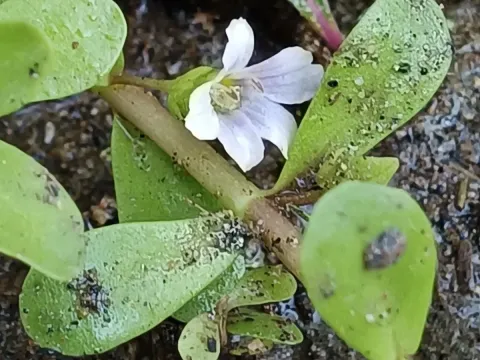
Bacopa
Bacopa Aubl.
Bacopa seeds are extremely small and should be sown indoors in late February or March. Surface sowing is essential as the seeds require light to germinate; simply press them gently into the moist substrate without covering them with soil.
What the section contains
Bacopa
Maintain an ambient temperature of 20–22 degrees Celsius and high humidity to ensure successful germination. Covering the containers with clear plastic or glass helps create the necessary microclimate for the seedlings.
Once seedlings develop two true leaves, they should be pricked out into individual pots. Using a high-quality, lightweight potting mix will encourage healthy root development during this delicate stage.
Transplanting to outdoor containers or beds should only occur after the risk of frost has passed. In temperate climates, this is typically towards the end of May when night temperatures remain reliably mild.
Vegetative propagation via cuttings is a popular alternative to seeds. Cuttings taken in late summer should be placed in a rooting medium with sand to ensure quick establishment before the onset of winter.
Bacopa belongs to the Plantaginaceae family and is commonly grown as an annual ornamental plant in many regions, although it is a tender perennial in its native tropical and subtropical habitats.
The plant thrives in bright, indirect light. While it can tolerate partial shade, full sun exposure is ideal for maximum flowering, provided that the soil is kept consistently moist during the hot summer months.
Fertile, well-draining soil is crucial for the health of the plant. A substrate with a neutral to slightly acidic pH is optimal for nutrient uptake and preventing root stress in container environments.
Water management is the most important aspect of Bacopa care. The plant does not tolerate drying out; therefore, regular, deep watering is necessary to maintain vigor and prevent premature wilting of the foliage.
Regular pinching of the shoot tips is highly recommended to promote dense branching. This practice results in a more compact and floriferous plant, effectively covering the edges of hanging baskets.
Common pests affecting Bacopa include aphids, whiteflies, and spider mites. These pests thrive in dry environments and can quickly weaken the plant by feeding on its sap, leading to stunted growth.
Fungal diseases, particularly grey mould (Botrytis), can become problematic if the plant is kept in conditions with poor air circulation or excessive moisture on the leaves, especially during cool periods.
Effective pest management involves the use of systemic insecticides applied according to label directions. Monitoring the plants regularly allows for early intervention before infestations become severe.
To prevent disease, ensure adequate spacing between plants to allow for proper airflow. Removing dead leaves and flowers regularly reduces the risk of fungal spores colonizing the plant tissue.
- Aphids — colonize young shoots and buds.
- Whiteflies — cause leaves to yellow and wilt.
- Spider mites — create fine webbing on foliage.
- Grey mould — thrives in humid, stagnant conditions.
- Root rot — triggered by waterlogged soil.