
Bastard speedwell
Veronica spuria
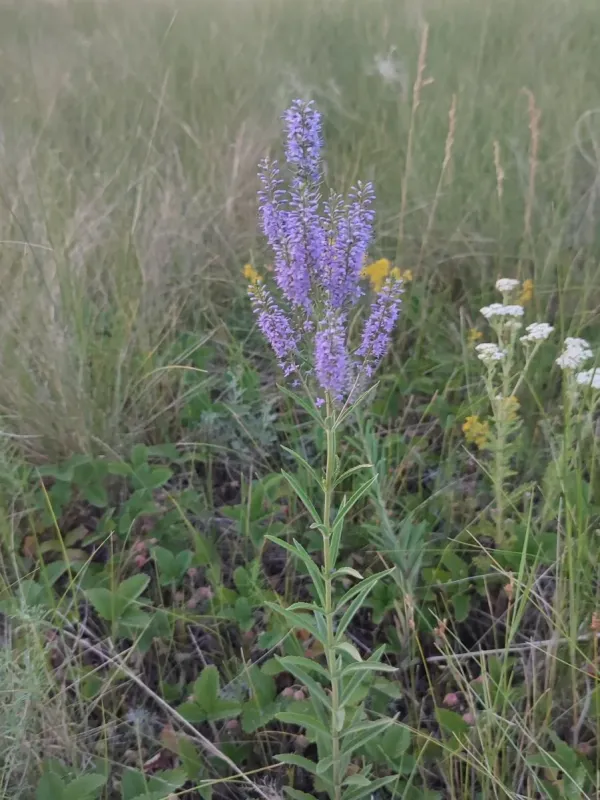
Description
Sowing dates
Sowing of Veronica spuria is carried out using seeds that require stratification to improve germination energy. The optimal period for open-ground sowing is late autumn or early spring when soil temperatures reach 10–12 degrees Celsius.
During spring sowing, seeds should be placed no deeper than 0.5–1 cm, as they require light exposure to trigger biological development processes. After sowing, the soil surface should be lightly rolled to ensure firm contact between the seed and the moist substrate.
For commercial or nursery production, the seedling method in trays is frequently used. This allows for uniform planting material that adapts more efficiently when transplanted to its permanent location in late spring.
The sowing pattern depends on the intended use: for ornamental purposes, spacing of up to 40 cm is maintained, whereas for commercial biomass production, the density can be increased to 15–20 plants per square meter.
Early-stage crop management includes regular irrigation of the topsoil layer and effective weed control, as young seedlings can be sensitive to competition from aggressive weeds.
Growing requirements
Veronica spuria, belonging to the Plantaginaceae family, is a perennial herbaceous plant with a robust rhizome. The crop prefers open, sunny locations, though it can withstand light shading during peak midday heat.
The plant has moderate soil requirements, thriving best in fertile, well-drained loams with a neutral to slightly acidic pH level. Consistent soil moisture is beneficial for rapid initial establishment.
The species possesses high winter hardiness, allowing it to be cultivated in temperate climates without additional winter protection. A key factor for successful growth is the absence of waterlogging in the root zone, which can cause crown rot.
During dry vegetation periods, the plant requires supplementary irrigation, particularly during the flower stalk formation and blooming phases, which occur in mid-summer.
Mineral fertilization is typically applied in the spring, using complex fertilizers rich in potassium and phosphorus, which encourages the development of sturdy shoots and abundant flowering.
Main diseases and pests
The primary threats to Veronica spuria are fungal diseases that develop under high air and soil humidity. Specifically, powdery mildew, which appears as a white coating on the leaves, is a frequent concern.
Under conditions of high planting density, outbreaks of gray mold (Botrytis) may affect stems and inflorescences, requiring preventive treatments with systemic fungicides.
Among pests, various aphid species can cause significant damage by feeding on young shoot tips. Additionally, larvae of certain Lepidoptera species may occasionally graze on the leaf blades.
To combat harmful insects, timely application of insecticides is recommended, along with maintaining clean fields free of weeds that could serve as alternative hosts for pests.
Disease prevention relies on maintaining optimal planting density, ensuring good air circulation throughout the field, and performing timely sanitary pruning of damaged plant parts.
Harvesting
Harvesting the above-ground biomass of Veronica spuria, when utilized for medicinal or ornamental purposes, is best conducted during the peak flowering stage when active compound concentrations are at their highest.
Stems should be cut at a height of 5–10 cm above the soil level using specialized manual tools or mechanized mowers, depending on the scale of the production.
The harvested material must be moved immediately to a well-ventilated area or a specialized drying facility at temperatures not exceeding 40–45 degrees Celsius to preserve quality.
For ornamental landscape maintenance, deadheading faded flower stalks is recommended; this practice prevents unwanted self-seeding and stimulates a second wave of vegetative growth by the end of summer.
Final preparation for the dormant season involves mulching the root zone with organic matter, which protects the plant base from extreme temperature fluctuations during snowless periods.