
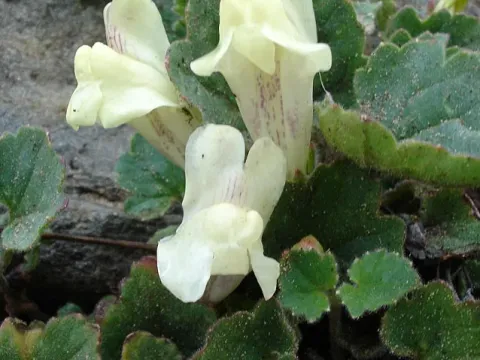
Asarina
Asarina
Asarina is a perennial climbing plant belonging to the Plantaginaceae family, often grown as an annual in cooler climates. Sowing seeds should begin in late February or early March indoors to ensure a sufficiently long vegetative season before the onset of flowering.
What the section contains

Asarina
The seeds of Asarina are very small and should be surface-sown on moistened soil without deep covering. To promote uniform germination, the seed trays must be kept at a steady temperature between +20 and +22 degrees Celsius.
Seedlings require careful handling during prick-out stages once the first two true leaves appear. Using biodegradable pots is highly recommended to prevent root disturbance during the final transplanting process into the garden.
Transplanting into the permanent garden site should occur only after all risks of frost have passed. Asarina is highly sensitive to cold, so hardening off the seedlings for a week prior to outdoor placement is a critical agrotechnical step.
A sunny location with protection from strong, cold winds is ideal for optimal growth. Insufficient light levels will cause the stems to become weak, spindly, and result in significantly reduced flower production.
Asarina thrives in light, fertile, and well-drained soils with a neutral or slightly acidic pH. Avoiding waterlogged soil is crucial, as the roots are highly susceptible to decay if kept in stagnant, wet conditions.
Consistent, moderate moisture is essential throughout the summer months. The soil should remain damp but never soggy, requiring the grower to monitor moisture levels closely during peak heat waves.
As a climbing vine, this plant requires sturdy vertical support. Trellises, fences, or tensioned twine allow the Asarina to climb efficiently using its sensitive petioles, which wrap around narrow supports.
Feeding the plants with a balanced fertilizer every two weeks will promote continuous blooming. While organic matter is beneficial for the soil, excessive nitrogen may lead to vegetative growth at the expense of floral development.
Mulching the root area helps maintain consistent soil temperatures and retains soil moisture, which is particularly beneficial in regions prone to high summer temperatures and low rainfall.
Aphids are the most common pest, often colonizing the tender tips of the growing vine. If left untreated, they can cause significant leaf distortion and hinder the overall health of the specimen.
Root rot is a major threat linked to poor drainage and overwatering. Preventative measures include using a loose, aerated potting mix and ensuring the planting site does not accumulate standing water.
Whiteflies can be a persistent problem, especially in greenhouse conditions or areas with stagnant air. Using horticultural soaps or systemic insecticides is effective for managing these infestations.
Spider mites are frequently encountered during hot and dry spells. Increasing air humidity around the foliage can deter these pests, keeping the leaves vibrant and healthy throughout the season.
- Regular monitoring for insect activity.
- Proper sanitation of the garden space.
- Application of specialized pesticides when needed.