
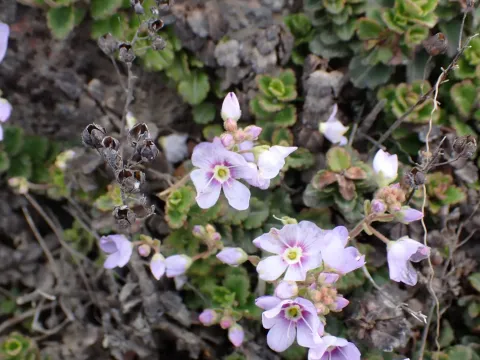
Besseya
Besseya
Planting Besseya, or sand cherry (Prunus besseyi), is best performed using nursery-grown saplings rather than seeds to ensure the consistency of fruit characteristics. The ideal time for planting is early spring, just before the buds start to swell, allowing the root system to establish itself before the summer heat.
What the section contains

Besseya
In regions with mild winters, autumn planting is also acceptable, provided it is completed by late September. Early autumn planting gives the shrub enough time to adapt to the local soil profile before the ground freezes, ensuring a healthy start in the following growing season.
Choose well-lit, elevated sites with light, well-draining soil for planting. Besseya is highly intolerant of waterlogged conditions, so if you are planting in low-lying areas or heavy clay soils, it is essential to install a robust drainage layer at the bottom of the planting hole.
Maintain a spacing of at least 1.5 to 2 meters between individual plants. Proper spacing ensures adequate airflow and light penetration, which are vital for maintaining the health of the canopy and reducing the prevalence of fungal diseases in the orchard.
When planting, ensure the root crown is level with the soil surface or slightly buried. After filling the hole, irrigate the area thoroughly and apply a layer of organic mulch around the base to retain soil moisture and suppress weed development during the first year of growth.
Besseya belongs to the Rosaceae family and is closely related to plums and cherries. It is a remarkably hardy shrub known for its ability to withstand severe frost, making it an excellent candidate for colder climates where other stone fruits might struggle to survive.
This species is undemanding regarding soil fertility and thrives in sandy or rocky soils that are otherwise unsuitable for many garden crops. While it is highly drought-tolerant, supplemental irrigation during prolonged dry spells will significantly improve fruit quality and yield.
The optimal pH range for Besseya is neutral to slightly alkaline. If the soil is excessively acidic, applying lime before planting is highly recommended to improve nutrient availability and support the development of a vigorous root system throughout the plant's lifespan.
Sunlight is a critical requirement for this crop. Even partial shade can lead to reduced fruit production, a decline in flavor quality, and increased susceptibility to moisture-related diseases, as the foliage remains damp longer in shaded, stagnant air conditions.
Besseya has a distinct biological advantage: its late-blooming habit. By flowering later than many other stone fruits, it often avoids damage from late spring frosts, which typically destroy the blossoms of more sensitive early-flowering fruit trees, thus ensuring consistent yearly yields.
Yield stability in Besseya relies on effective pollination, as most varieties are self-sterile. For successful fruit set, it is essential to plant multiple specimens or different varieties of the species nearby to facilitate cross-pollination during the blooming period.
A mature, well-tended shrub can produce between 5 and 10 kilograms of fruit per season. The berries are medium-sized, succulent, and have a unique sweet-tart profile that develops a deep, pleasant sweetness as the fruit reaches full physiological maturity.
Peak production typically occurs when the plants are 5 to 7 years old. To maintain high yields over the long term, growers should perform annual maintenance pruning, focusing on removing older, unproductive wood to encourage new, vigorous growth on one-year-old shoots.
The fruit has diverse culinary applications. It is frequently used for making jams, jellies, preserves, and fruit wines. Due to its natural pectin content, it is highly sought after for creating high-quality, shelf-stable spreads and desserts without the need for synthetic additives.
Freshly harvested fruit has a relatively short shelf life due to its thin skin. It should be processed as soon as possible after harvest or stored under strict temperature and humidity control to prevent rapid spoilage and the onset of mold common in stone fruits.
Besseya is susceptible to several common stone fruit diseases, with shot hole disease (coccomycosis) being the most prevalent. Symptoms include small reddish spots on the leaves, which can lead to premature defoliation and weaken the plant before it enters dormancy.
Monilia, or brown rot, can also pose a serious threat, especially during rainy weather during the flowering stage. This fungus can infect blossoms and young shoots, causing them to wilt suddenly. Sanitation, including the removal of infected plant parts, is crucial for control.
Common pests include aphids, which colonize young shoots, and the plum curculio, which can damage the developing fruit. Monitoring for these pests during the growing season and applying integrated pest management strategies is necessary to preserve the quality of the harvest.
Effective management involves a preventative approach, including fungicide applications during the pre-bloom stage and regular inspection of the foliage for signs of stress or infestation. Cleaning up fallen leaves in the autumn is a key step in reducing the overwintering inoculum of fungi.
While chemical treatments are sometimes necessary, emphasize biological controls and good cultural practices whenever possible. Maintaining clean, well-pruned shrubs will naturally decrease the intensity of pest attacks and improve the overall resilience of the crop against environmental stress.
Harvesting usually takes place in late August or September, depending on the variety and local weather conditions. A change in the skin color from red to a deep, dark hue signals that the berries have accumulated sufficient sugars and are ready for picking.
Because the fruit tends to ripen simultaneously, the harvest period is relatively short. Use shallow containers for collecting the berries to avoid crushing the lower layers under the weight of the fruit, as the berries are delicate and prone to physical damage.
Carefully twist or clip the berries to ensure the fruit remains intact. If you intend to transport the harvest, retaining the stems can help extend the freshness of the fruit, though for immediate processing, the stems can be removed directly in the field.
Promptly cool the harvested fruit if immediate processing is not possible. High sugar content combined with residual field heat creates an ideal environment for yeast and bacteria, which can trigger fermentation and rot within hours if the fruit is kept in a warm area.
Always clear the shrubs of any remaining overripe or fallen fruit after the harvest is complete. Removing these residues is a standard agricultural practice that prevents birds and pests from congregating and eliminates potential breeding grounds for pathogens that could affect next year's crop.