
Blue-eyed Mary
Collinsia verna
Description
Sowing dates
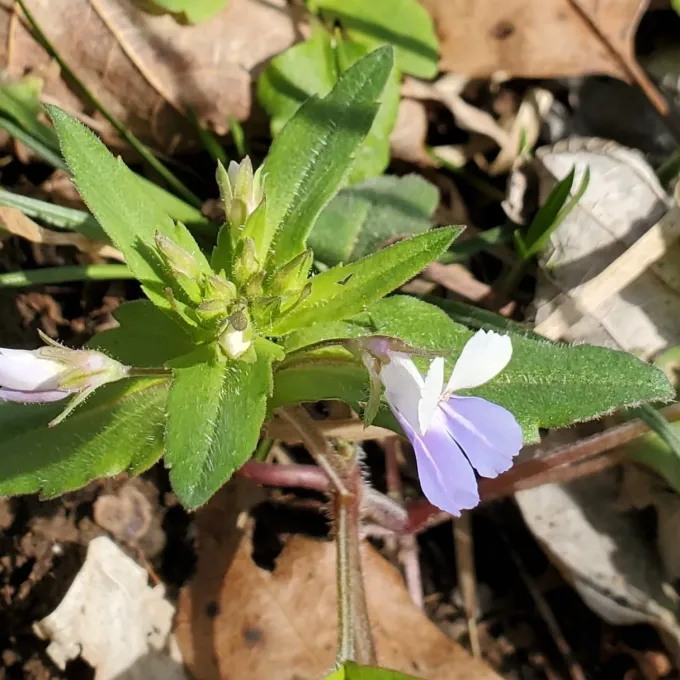
Blue-eyed Mary (Collinsia verna) is an annual herb from the Plantaginaceae family, native to North America, often grown for its distinctive aesthetic appeal.
The seeds should be sown in autumn or very early spring to ensure they undergo the necessary cold stratification period for optimal germination.
When sowing in open ground, seeds should be scattered thinly over well-prepared, loose soil to prevent overcrowding and promote healthy air circulation.
For container cultivation, indoor sowing in late winter is possible, provided the seedlings are hardened off before being transplanted outside.
The germination process typically occurs as soon as the soil temperatures rise, with seedlings appearing quite early in the spring season.
Growing requirements
This species thrives in moist, rich, well-draining soils and is naturally adapted to woodland habitats, making it perfect for shaded garden areas.
It requires consistent moisture throughout its growth cycle; however, soil must not become waterlogged to avoid root suffocation and decay.
Partial shade is the ideal environmental condition, protecting the plants from harsh afternoon sun that can lead to rapid wilting.
The plant is highly responsive to organic soil amendments, which help maintain the necessary moisture retention and nutrient profile.
Regular maintenance involves light weeding around the base of the plants, as they do not compete well with aggressive or invasive vegetation.
Main diseases and pests
Fungal pathogens associated with overly damp soil conditions are the most common cause of plant failure, particularly during wet spring spells.
Slugs and snails frequently target emerging seedlings, which can lead to significant foliage damage if not controlled by timely interventions.
Aphids might colonize the flower buds, potentially stunting the growth and reducing the overall decorative quality of the plant displays.
Powdery mildew can occasionally appear in late spring or early summer, usually triggered by stagnant air and high humidity around the plants.
Gardeners should monitor plant density closely, as keeping space between individuals helps prevent the rapid spread of airborne diseases.