
Veronica armena
Veronica armena
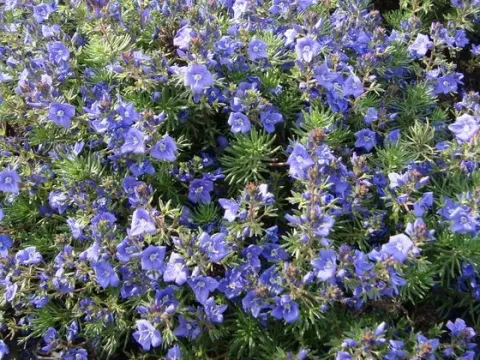
Veronica armena, commonly known as Armenian speedwell, is a perennial herbaceous plant belonging to the Plantaginaceae family. It is distinguished by its fine, needle-like, filiform foliage that forms a dense, evergreen-like mat, making it an excellent candidate for ornamental groundcover.
What the section contains
Veronica armena
The species originates from the rocky slopes of Armenia and regions throughout Asia Minor. This habitat adaptation makes it highly tolerant of harsh environmental conditions, specifically drought and temperature fluctuations, which is why it thrives in specialized garden settings.
The plant requires well-drained, gritty, or sandy soils with a neutral to slightly alkaline pH. Proper drainage is the most critical factor in successful cultivation; any water stagnation around the roots will inevitably lead to plant decay during the winter months.
Veronica armena performs best in full sun. While it can tolerate light partial shade, exposure to direct sunlight is necessary to maintain its compact, low-growing habit and to ensure a profuse display of its characteristic blue to violet-colored flowers during the spring and early summer.
In landscaping, this species is highly valued for xeriscaping and alpine rock gardens. Its texture provides a soft contrast to stone surfaces, and its low maintenance requirements make it a favorite for gardeners looking for durable, long-lasting perennial additions to their landscape.
Propagation of Veronica armena can be achieved through seeds or vegetative division. Seeds should be sown in a light, well-draining substrate in early spring. They require minimal soil covering as exposure to light is often beneficial for the germination process of this species.
When starting indoors, maintain a consistent temperature of around 18-20°C and ensure the surface remains slightly moist but not waterlogged. Once the seedlings develop their first true leaves, they can be carefully pricked out into individual containers to strengthen.
Transplanting to a permanent location is best performed once the threat of frost has passed. Space the plants approximately 20-30 cm apart to allow them sufficient room to spread, as mature plants will eventually close the gap, creating a continuous carpet-like structure.
Vegetative division is the most efficient way to expand an existing patch. This is best done in the early spring or late autumn when the plant is not in its peak flowering stage, ensuring that each division has a portion of the root system and healthy foliage.
After transplanting or dividing, it is crucial to keep the soil moderately moist for the first few weeks until the root system has fully established itself in the new location. Once established, the plant becomes remarkably drought-tolerant and requires minimal supplemental watering.
The primary threat to Veronica armena is root rot caused by poor soil drainage. If the soil remains consistently damp, the root system will suffocate and become prone to soil-borne pathogens. Adding coarse sand or gravel to the planting site is essential for prevention.
Pests like aphids may occasionally infest the tender flower stalks. While usually not fatal to the entire plant, they can reduce the aesthetic quality of the blooms. If detected, simple interventions such as washing with water or using insecticidal soap are typically sufficient.
Powdery mildew can occur in areas with stagnant air or excessive humidity. To minimize this risk, ensure the plant is situated in an open area with good air circulation. Pruning away damaged or overly dense foliage can help keep the plant structure healthy and well-ventilated.
Nematodes are a less common but more serious threat, affecting the roots and causing the plant to lose vigor. Prevention involves ensuring healthy soil conditions and avoiding the introduction of contaminated soil from other garden areas to the rockery.
Regular maintenance, including cutting back flower stems after the blooming period, helps promote plant health. This practice prevents the accumulation of dead plant matter, reduces the risk of fungal infections, and encourages the growth of fresh, vibrant foliage for the upcoming season.