
Veronica baylyi
Veronica baylyi
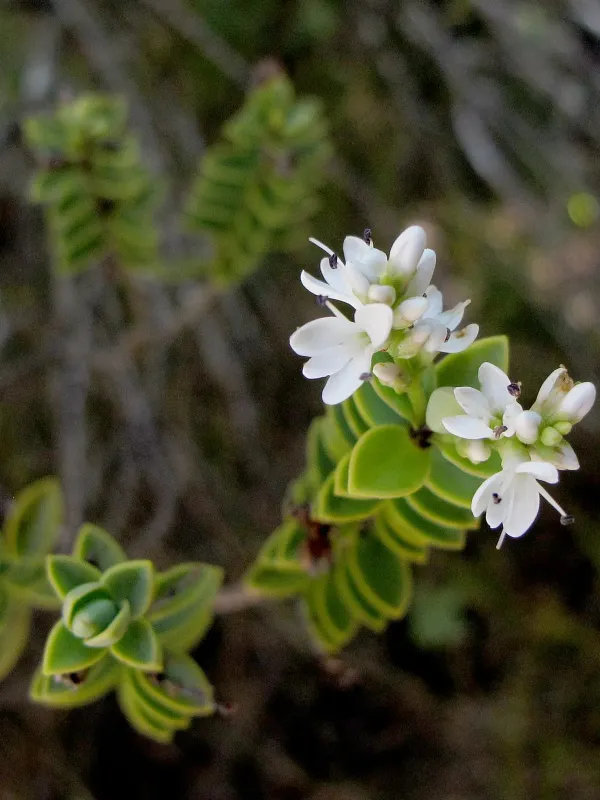
Description
Growing requirements
Veronica baylyi is a unique perennial plant species belonging to the Plantaginaceae family. This species is native to the alpine and subalpine environments of New Zealand, where it has evolved to survive in cool, windy, and high-altitude habitats.
In terms of cultivation, it requires well-drained, gritty, or rocky soils that mimic its natural mountain slope habitat. A neutral to slightly acidic pH is preferred, and the plant struggles to survive in heavy, waterlogged clay soils that cause root decay.
The climate requirements include moderate temperatures with high air humidity. While the plant appreciates direct sunlight, it should be protected from intense afternoon heat, which can lead to dehydration and heat stress in non-alpine regions.
Botanically, Veronica baylyi is characterized by its compact, low-growing form, making it an excellent candidate for specialized rock gardens. Its foliage is designed to resist water loss, reflecting its adaptation to exposed, high-altitude conditions.
The plant serves primarily as a decorative specimen in botanical collections and specialized landscaping. Its architectural beauty and unique inflorescences make it a highly sought-after plant for enthusiasts of alpine flora and cold-climate gardening.
Main diseases and pests
The primary threat to Veronica baylyi is root rot, triggered by improper watering practices or poor soil drainage. Maintaining a dry crown is essential, and moisture should be applied to the soil base rather than the foliage to prevent fungal issues.
Slugs and snails are major pests that can severely damage the plant's delicate leaves and flowers. Implementing slug barriers or using specialized traps is recommended, especially during the wetter months of the growing season.
Powdery mildew can occur if the plant is grown in stagnant air conditions. Improving airflow around the plant and ensuring it is not crowded by other species will significantly reduce the risk of this fungal disease.
Aphids may occasionally infest new shoots, affecting the plant's aesthetic quality and vitality. If an infestation occurs, insecticidal soaps or neem oil applications are effective treatments that do not harm the overall plant health.
Providing a consistent environment with proper aeration and mineral-rich, porous soil is the best defense against pests and diseases. When properly cultivated, the plant exhibits excellent resilience to its environment.