
Veronica bidwillii
Veronica bidwillii
Description
Growing requirements
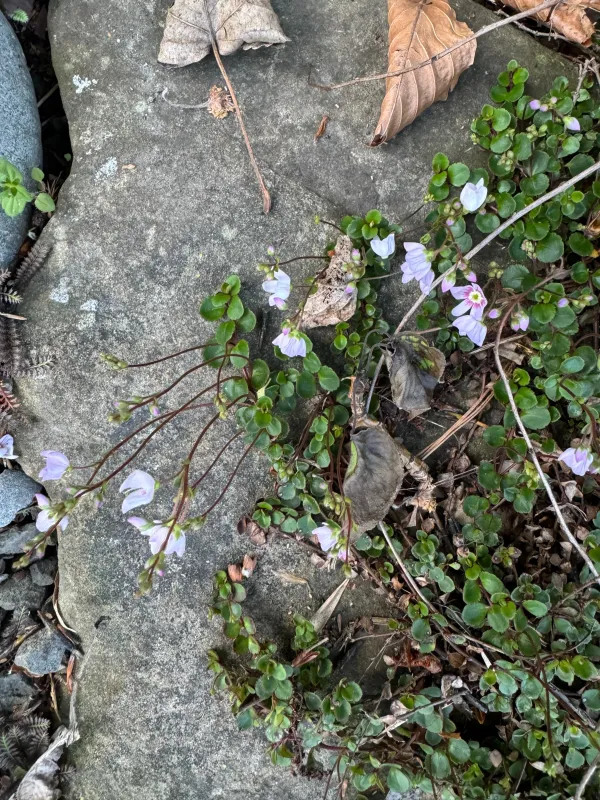
Veronica bidwillii is a charming, prostrate perennial belonging to the Plantaginaceae family. Native to the mountainous regions of New Zealand, this plant is perfectly adapted to alpine environments, where it colonizes rocky crevices and gravelly slopes, forming dense, evergreen mats.
The botanical structure of the plant features thin, wiry stems that creep across the ground and root at the nodes. The leaves are small, often tinged with bronze or red, providing visual interest throughout the year. In spring and early summer, the plant produces an abundance of delicate, white to pale mauve flowers on short stalks.
To cultivate Veronica bidwillii successfully, one must provide a location with full sun. While the plant can tolerate partial shade in hotter climates, excessive shading will inevitably lead to leggy, sparse growth and a significant reduction in the number of flowers produced during the season.
Soil requirements are quite specific: this species demands sharp drainage. It thrives in gritty, sandy, or rocky soil compositions that mimic its native habitat. Any soil that tends to hold moisture for prolonged periods will likely cause the plant to rot, particularly during the winter months.
Maintenance involves minimal irrigation, allowing the soil to dry out between waterings. Fertilization should be kept to an absolute minimum, as excessive nutrients can result in lush but weak foliage that is prone to pests and winter damage. A light top-dressing of gravel around the crown is recommended to keep the foliage away from damp soil.
Main diseases and pests
The primary threats to Veronica bidwillii are fungal pathogens, specifically those causing root and crown rot. These issues are almost exclusively associated with poor drainage and excessive ambient humidity. Prevention is far more effective than treatment; ensure excellent airflow and drainage to mitigate these risks.
Pests are generally not a major concern for established plants, although aphids may occasionally cluster on the flower stalks. If an infestation occurs, a gentle stream of water or insecticidal soap is typically sufficient to control the population without harming the plant or its environment.