
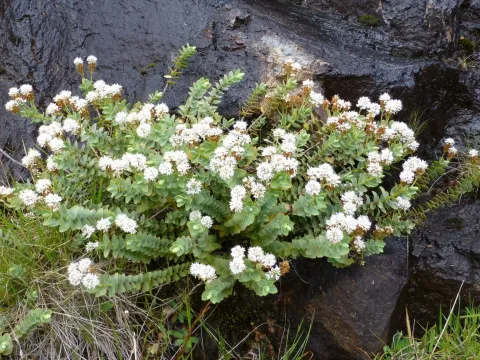
Veronica amplexicaulis
Veronica amplexicaulis
Veronica amplexicaulis belongs to the Plantaginaceae family and is a distinctive perennial species native to the mountainous regions of New Zealand. It is highly valued in horticulture for its unique architectural appearance and evergreen foliage.
What the section contains
Veronica amplexicaulis
The plant thrives in cool to temperate climates. It requires a location with full sun to partial shade, provided that the location is protected from harsh afternoon heat which can stress the plant and reduce its aesthetic appeal.
Soil requirements are strict regarding drainage. Like many alpine plants, it will not tolerate waterlogged conditions. Growers should ensure that the planting medium is gritty, well-draining, and slightly acidic to neutral in pH to support root health.
Botanically, it is characterized by its clasping, leathery leaves that wrap around the stem. The inflorescences consist of dense spikes of small flowers, making the plant an excellent candidate for rock gardens and borders.
Cultural practices include moderate watering during the growing season and minimal fertilizing. Over-fertilization can lead to weak growth, making the plant more susceptible to environmental stressors and pathogens.
The primary threats to Veronica amplexicaulis include fungal diseases such as powdery mildew, which thrive in conditions of high humidity and poor air circulation around the base of the plant.
Root rot is a common physiological threat caused by heavy, poorly drained soil, which prevents oxygen from reaching the root zone and leads to the death of the specimen.
Pests such as aphids and spider mites can occasionally infest the plant during hot, dry spells, necessitating prompt inspection and minor treatment to protect the foliage.
Prevention strategies involve maintaining proper spacing between plants to ensure airflow and practicing hygienic gardening, such as removing fallen leaves and debris.
In cases of severe infestation or infection, application of fungicides or insecticides specific to ornamental gardening is recommended to manage the problem effectively.