
Varnished Veronica
Veronica vernicosa
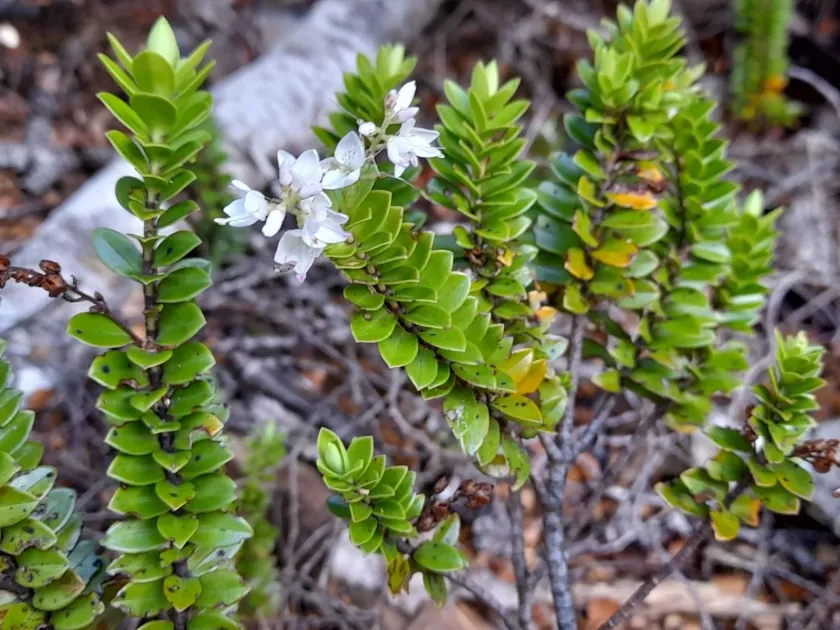
Description
Growing requirements
Veronica vernicosa, commonly known as the varnished veronica, is an evergreen shrub belonging to the Plantaginaceae family. Native to the South Island of New Zealand, this plant is naturally adapted to rugged alpine environments and stony slopes.
The plant is highly regarded for its small, glossy, deep green leaves that appear lacquered, providing year-round visual interest. It is a slow-growing, compact shrub that maintains a naturally neat habit, making it an excellent candidate for formal landscaping and rock gardens.
Cultivation requires well-drained, gritty, and slightly acidic to neutral soil. Because it originates from alpine regions, it cannot tolerate waterlogged conditions, which lead to rapid root decay; therefore, a high-quality drainage system is essential during the planting process.
Regarding climatic conditions, the varnished veronica thrives in cooler temperatures and requires full sun to partial shade. In climates with intense heat, providing shade during the hottest hours of the day is recommended to prevent leaf scorch and stress.
Maintenance involves minimal intervention, primarily focusing on maintaining soil moisture levels during the establishment phase and providing light pruning in early spring. Winter protection is advisable in colder regions to shield the plant from heavy frost and drying winds.
Main diseases and pests
The primary threats to Veronica vernicosa are root-borne diseases caused by excessive soil moisture and poor aeration. Phytophthora and other fungi can quickly compromise the plant's health, leading to wilting and branch dieback if not addressed early.
Foliage diseases, such as powdery mildew, may occur if air circulation is insufficient. Ensuring proper spacing between plants and avoiding overhead irrigation can significantly reduce the risk of these fungal outbreaks throughout the growing season.
Insects like aphids and spider mites are known pests that target the tender new growth. Aphids can lead to stunted development, while spider mites extract moisture from the leaves, causing them to lose their characteristic varnish and turn brittle.
Scale insects can also be problematic, attaching themselves to stems and branches. Since they are protected by a hard shell, they are best managed by manual removal or using specific horticultural oils, provided they are applied during the early stages of infestation.
Effective management of these threats relies on regular monitoring and cultural control. Keeping the plants in a clean, well-ventilated, and adequately drained site remains the most effective defense against both pests and diseases.