
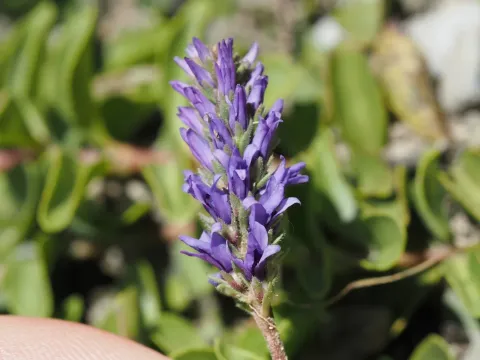
Veronica allionii
Veronica allionii
Veronica allionii is typically propagated by seeds sown in late autumn. Cold stratification is essential for successful germination, as the seeds require a period of low temperatures to break dormancy effectively before spring.
What the section contains
Veronica allionii
When sowing in containers, use a gritty, well-draining seed-starting mix. Surface-sow the seeds and press them lightly into the medium; do not cover them deeply, as they require light to germinate properly.
Maintain the seed trays in a cool, bright location. Once the seedlings have reached a manageable size, transplant them into individual pots to strengthen their root systems before moving them to their permanent location in the garden.
Space the plants approximately 15-20 centimeters apart to ensure adequate airflow between mature specimens. This spacing helps prevent moisture build-up and promotes the development of a dense, healthy mat.
When transplanting into the rock garden, ensure the soil level matches the depth of the pot to prevent burying the crown of the plant, which could lead to stem rot.
Veronica allionii belongs to the Plantaginaceae family and is native to the high-altitude regions of the Alps. It is a low-growing, mat-forming perennial known for its resilience in harsh mountain environments.
The primary requirement for this species is exceptional drainage. It thrives in stony, lean, and neutral-to-slightly-acidic soils. Rich, heavy, or waterlogged soils are unsuitable and will likely result in the rapid decline of the plant.
This species demands full sun to light partial shade. In its native habitat, it experiences cool nights and high light intensity, so avoid planting it in areas with stagnant heat or high humidity, which can stress the plant.
Watering should be supplemental and cautious. The plant is drought-tolerant once established, but it appreciates regular moisture during prolonged dry spells. Always water at the base of the plant to keep the foliage dry.
Mulching the area around the plants with fine gravel or crushed rock is a critical horticultural practice. This replicates the alpine environment, helps regulate root temperature, and protects the lower leaves from damp soil.
Powdery mildew is the most common fungal issue for Veronica allionii, especially in regions with poor air circulation or high humidity. Fungicidal treatment may be necessary if the infestation becomes significant.
Leaf spot diseases can also occur, characterized by dark or necrotic spots on the foliage. These are best managed by removing affected leaves and ensuring the planting site has sufficient ventilation to dry the foliage quickly after rain.
Root rot is a frequent threat resulting from poor drainage or excessive irrigation. Once root rot sets in, it is often difficult to save the plant, so prevention through proper soil preparation is paramount.
Slugs and snails may browse on young, tender growth during damp weather. Using physical barriers or organic bait can help mitigate damage to the foliage during the early stages of growth.
Aphids can occasionally colonize the flower spikes. While usually not fatal, heavy infestations can reduce the aesthetic value of the plant and should be treated with appropriate insecticidal soap if necessary.