
Hare's-foot plantain
Plantago lagopus
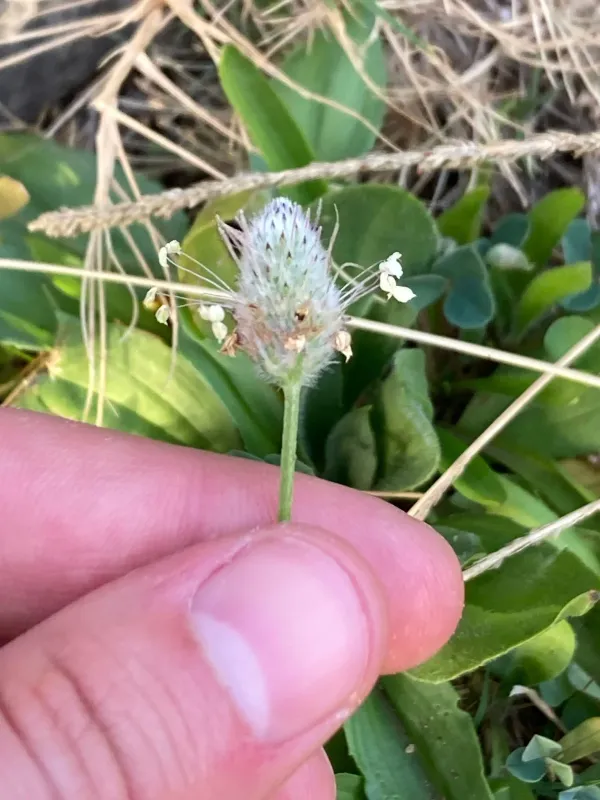
Description
Sowing dates
Hare's-foot plantain belongs to the family Plantaginaceae and is recognized as a hardy forage species suitable for dry and semi-arid environments.
Sowing is typically performed in early spring or autumn to benefit from natural rainfall patterns, which are crucial for initial seed germination.
Seeds should be sown at a shallow depth, generally between 1 to 2 cm, as they require optimal soil contact and access to light to trigger growth.
In practice, it is often included in seed mixtures for permanent pastures, where its ability to establish quickly helps suppress unwanted invasive weeds.
Proper field preparation, including light harrowing, is recommended to ensure even seed distribution and prevent excessive burial of small seeds.
Growing requirements
Originating from the Mediterranean region, this species is highly adapted to climates characterized by hot, dry summers and mild winters.
It prefers well-drained soils and demonstrates significant tolerance to sandy and alkaline soils where other forage crops struggle to survive.
The plant is noted for its high salinity tolerance, making it an excellent candidate for reclaiming degraded or saline agricultural lands.
Light availability is essential for the plant's development, as it does not compete well in deeply shaded areas or against dense, fast-growing canopy cover.
While hardy, the plant responds positively to balanced fertilization, which improves biomass quality and overall persistence in the pasture system.
Yield
The biomass production of Plantago lagopus remains relatively stable during dry periods, providing a reliable source of forage for livestock.
It is known for its excellent regrowth potential, allowing for multiple grazing cycles if managed with proper resting intervals to allow for regeneration.
Livestock find the foliage palatable, and it contributes valuable micronutrients to the diet, especially in areas with limited high-quality feed options.
In addition to its grazing value, it produces a substantial amount of seed, which can be harvested for future reseeding or erosion control projects.
High yields are best achieved when the crop is integrated into a rotation scheme that emphasizes moderate grazing pressure to prevent over-exploitation.
Main diseases and pests
Waterlogging is the most significant environmental threat to this plant, as prolonged soil moisture saturation can lead to root rot and loss of stand.
Various insect pests, including weevils, may feed on the foliage, although the plant typically exhibits sufficient vigor to withstand minor infestations.
Infection by fungal pathogens is relatively uncommon but can occur in humid, poorly ventilated sites, leading to premature leaf drop or weakening.
Competitive pressure from aggressive grass weeds can inhibit growth in the establishment phase, requiring strategic grazing or mechanical control methods.
Regular inspection and proactive soil drainage are the most effective management practices to maintain the health and longevity of the plant population.