
Heart-fruit speedwell
Veronica cardiocarpa
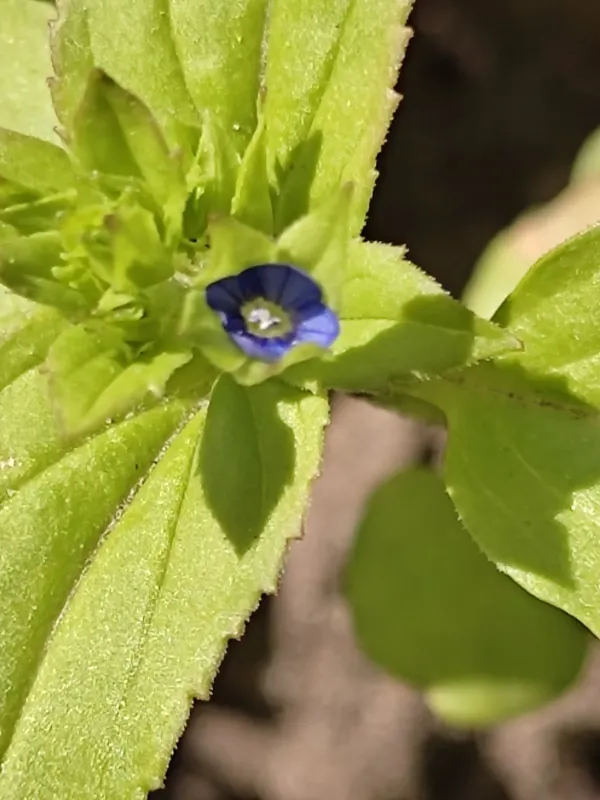
Description
Growing requirements
Heart-fruit speedwell (Veronica cardiocarpa) is a perennial herbaceous plant belonging to the Plantaginaceae family. Its natural habitat is characterized by mountainous terrains, reflecting its high adaptability to harsh environmental conditions.
The plant thrives in well-drained, sandy, or stony soils that mimic its native rocky environment. It prefers locations with full sun exposure, which is essential for maintaining its natural growth form and promoting consistent flowering throughout the season.
Soil requirements for this species are minimal, as it is adapted to low-nutrient substrates. However, ensuring a neutral or slightly alkaline pH can significantly enhance the plant's metabolic efficiency and overall vigor during the growing cycle.
Climate adaptability is a hallmark of this species, as it is highly resistant to drought and thermal fluctuations. It requires a distinct dormant period during winter, which allows it to successfully resume active development in the spring.
Agronomic management involves periodic weeding and ensuring the site remains free from stagnant water. Light fertilization is only necessary in extreme cases of nutrient depletion, as excessive nitrogen can negatively impact the plant's structure.
Main diseases and pests
Powdery mildew is the most common fungal disease affecting Veronica cardiocarpa, especially in high humidity environments. Improving airflow around the plants and ensuring adequate spacing are primary prevention methods.
Root rot represents a significant threat if the soil remains waterlogged for prolonged periods. Establishing a proper drainage system or planting on elevated beds is a mandatory requirement for successful cultivation.
Aphids often target the tender shoots of the plant, potentially leading to stunted growth. Monitoring the plant during the early growth phase and applying targeted control measures is essential for maintaining plant health.
Insects like slugs and snails may consume foliage in wetter climates, causing significant aesthetic damage. Protecting the base of the plant with mulching or physical barriers can help mitigate this risk.
Phytosanitary maintenance should be a priority, including the prompt removal of decaying plant matter. This minimizes the risk of pathogen accumulation and ensures the long-term sustainability of the planting area.