
Antirrhinum siculum
Antirrhinum siculum
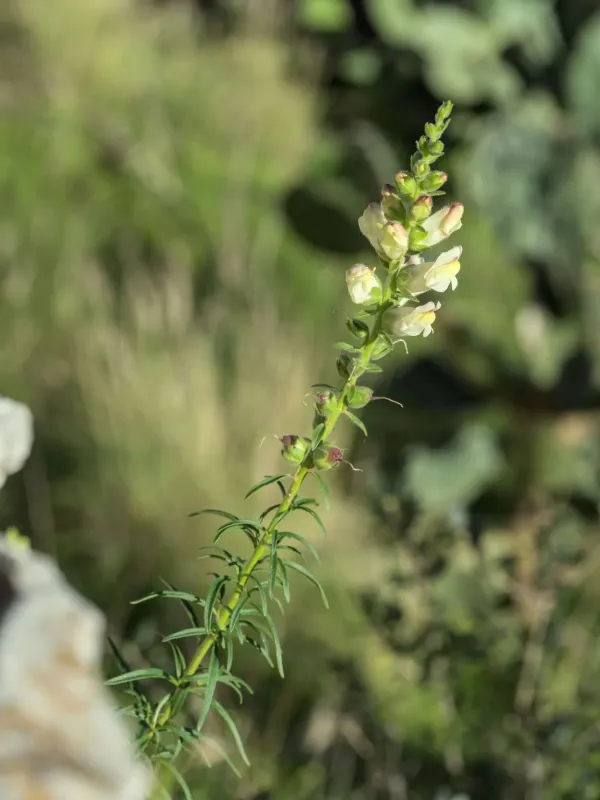
Description
Sowing dates
Antirrhinum siculum, a member of the Plantaginaceae family, is a captivating species often grown for its ornamental value. Seeds should be sown indoors in late winter or early spring in a well-draining, sterile seed-starting mix.
The seeds require light to germinate, so they should be pressed gently into the surface of the soil without being covered. Maintaining a temperature range of 18–22 degrees Celsius ensures optimal sprouting within two weeks.
When sowing directly in the garden, wait until the danger of frost has passed. Thinning the seedlings to a distance of 25–30 cm apart is essential to allow for adequate airflow and plant development.
Young plants benefit from gradual hardening off before being transplanted outdoors. This process involves exposing them to outdoor conditions for increasing periods over a week to prevent transplant shock.
Regular monitoring of moisture levels in the seedbed is critical. While they are drought-tolerant once established, seedlings require consistent hydration to develop a strong root architecture early in the season.
Growing requirements
This species thrives in full sun, which is essential for producing high-quality blooms. While it can tolerate partial shade, insufficient light will often result in leggy stems and reduced floral display.
The soil should be light, fertile, and exhibit excellent drainage. Heavy clay soils can be amended with coarse sand or organic matter to improve aeration, which prevents the roots from sitting in stagnant water.
Antirrhinum siculum is well-adapted to Mediterranean-type climates, making it relatively resilient to warm, dry spells. However, during prolonged periods of drought, supplemental watering will improve plant vigor.
Application of a balanced, low-nitrogen fertilizer during the active growing phase helps support robust flower production. Over-fertilization should be avoided to prevent excessive foliage growth at the expense of blossoms.
Deadheading spent flowers is a recommended practice to keep the plants tidy and encourage continuous blooming. This simple task directs the plant's energy toward creating new buds instead of producing seeds.
Main diseases and pests
Aphids and spider mites are the most common pests encountered. Frequent inspections, particularly during hot and dry spells, allow gardeners to manage outbreaks early through manual removal or insecticidal soaps.
Rust disease is a fungal threat that can cause discolored spots on leaves and stems. To minimize this risk, ensure plants are spaced properly to allow for air movement and avoid overhead watering.
Root rot occurs if the soil remains constantly waterlogged. Proper drainage is the primary defense against these pathogens, and using fungicide treatments may be necessary if symptoms appear.
Powdery mildew can affect the foliage during periods of fluctuating humidity. Maintaining good garden hygiene by removing fallen leaves and debris around the base of the plant significantly reduces fungal pressure.
In cases of severe infection, using systemic fungicides is an effective option for management. Always follow the manufacturer's label instructions carefully to protect beneficial insects and the surrounding environment.