
Pothomorphe
Pothomorphe
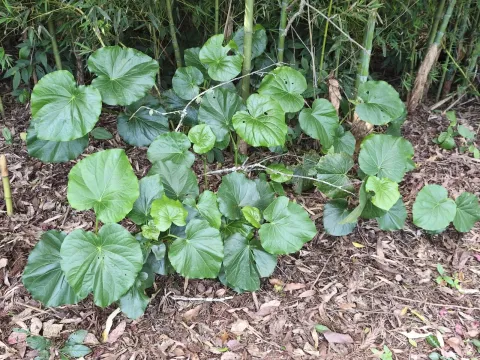
Pothomorphe is a genus of perennial herbaceous plants belonging to the Piperaceae family. In modern botanical taxonomy, many species within this group are often reclassified under the genus Piper, reflecting their close genetic and structural kinship.
What the section contains
Pothomorphe
Native to the tropical regions of Central and South America, these plants typically thrive in humid, shaded environments. They are commonly found in the understory of rainforests, along riverbanks, and in areas with rich, decomposing organic matter.
The cultivation of this plant requires a consistently warm and humid climate. It thrives at temperatures between 20°C and 30°C and cannot tolerate frost or prolonged drought. High air humidity is essential for maintaining leaf turgor and metabolic health.
The soil requirements involve a well-draining, nutrient-dense substrate. A mixture rich in humus and compost, with a slightly acidic to neutral pH, provides the best foundation for vigorous growth and leaf production.
Agrotechnical practices focus on maintaining steady moisture levels and providing partial shade, mimicking the natural canopy environment. Fertilization should emphasize organic nitrogen sources to support the development of large, lush leaves.
The primary threats to Pothomorphe include fungal infections, specifically root rot, which typically occurs when soil drainage is inadequate. Waterlogging creates an anaerobic environment that promotes the proliferation of pathogenic fungi.
Pests such as spider mites and mealybugs are the most significant threats in indoor or greenhouse conditions. These insects target the undersides of the leaves, drawing sap and weakening the plant's structural integrity.
Preventative measures are essential, starting with ensuring proper airflow through the planting rows. Spacing plants adequately prevents the microclimate from becoming too stagnant, which is a major precursor to fungal development.
Biological control strategies are preferred, including the introduction of natural predators to manage mite populations. Integrating these methods helps maintain the purity of the harvested leaves, which are often valued for their phytochemical properties.
Regular inspection of the foliage for signs of chlorosis or physical damage is necessary for early intervention. Removing infected parts immediately helps to contain potential outbreaks of bacterial or fungal pathogens across the entire plot.