
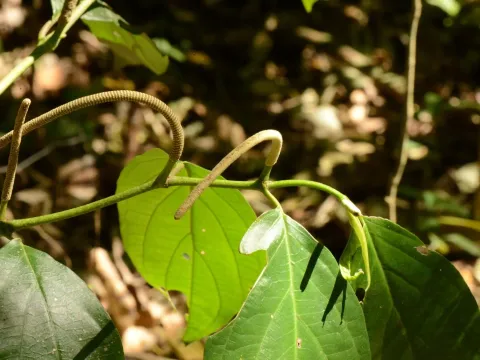
Piper glabratum
Piper glabratum
Piper glabratum is a perennial plant species belonging to the Piperaceae family. It is natively adapted to tropical regions where high humidity and consistent temperature regimes create a favorable environment for rapid biomass accumulation throughout the year.
What the section contains
Piper glabratum
Successful cultivation requires well-drained, nutrient-rich soils with a high organic matter content. Because of its tropical origin, the species is highly sensitive to waterlogged soil conditions, which can lead to root system decay, necessitating careful irrigation management.
The optimal temperature range for this species is between 22°C and 28°C. Being sensitive to temperature drops, the plant requires protection from cold drafts and frost, making it suitable primarily for tropical climates or strictly controlled greenhouse environments.
Light intensity is a critical factor for the development of Piper glabratum. It thrives under partial shade, mimicking its natural habitat on the forest floor. Excessive direct sunlight can lead to leaf scorching, which reduces the overall photosynthetic capacity and vigor of the plant.
Botanically, the plant features glabrous, ovate-shaped leaves and spikes characteristic of the Piper genus. Effective agricultural management involves canopy maintenance and the provision of suitable support structures if the plant exhibits a scrambling or climbing growth habit.
The primary pests affecting Piper glabratum include spider mites and mealybugs, which thrive in environments with poor ventilation. Regular monitoring and the application of appropriate acaricides and insecticides are essential to maintain plant health.
Fungal diseases, particularly root rots and leaf spots, represent a significant threat to commercial crops. These are usually triggered by excessive humidity levels and poor air circulation around the plants, which can be mitigated by adjusting spacing and utilizing fungicides.
Bacterial pathogens may enter the plant tissues through mechanical damage during pruning or weeding operations. Strict hygiene and the disinfection of pruning tools are vital practices to prevent the transmission of infections between plant rows.
Integrated Pest Management (IPM) strategies are recommended to manage outbreaks effectively. This includes the use of biological control agents and maintaining optimal plant spacing to discourage the rapid spread of harmful microorganisms.
Early diagnosis of symptoms, such as chlorosis or stunted growth, allows for targeted intervention. Maintaining high standards of greenhouse sanitation is the most effective defense against the most common threats to this crop species.