
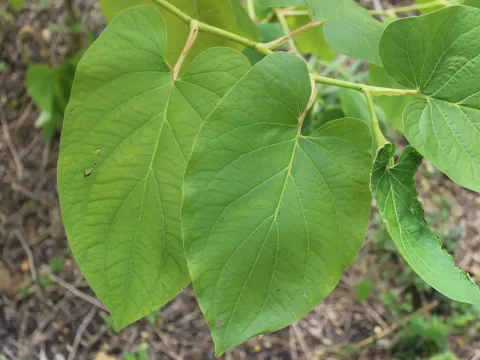
Piper auritum
Piper auritum
Propagation of Piper auritum is primarily performed through vegetative methods such as stem cuttings or rhizome division, as seeds often exhibit very low germination rates in cultivated environments.
What the section contains
Piper auritum
In tropical climates, planting is typically scheduled during the rainy season when soil moisture levels are optimal for rooting and rapid establishment of young plants.
When cultivating in greenhouses or containers, starters should be planted in early spring to ensure the plants establish a strong root system before the peak growth season begins.
Proper spacing of at least 1–1.5 meters is essential, as the plant features a vigorous root system and spreads quickly, which can lead to overcrowding if not managed correctly.
Rooting success depends on using light, well-draining substrates rich in organic matter. Maintaining a steady temperature between +22 and +26 degrees Celsius is ideal for early growth stages.
Belonging to the Piperaceae family, Piper auritum thrives in humid tropical rainforest conditions, necessitating a location that offers protection from direct, harsh sunlight and strong winds.
The plant favors fertile, humus-rich soils with a neutral to slightly acidic pH, which must retain sufficient moisture while ensuring excellent drainage to prevent root rot.
Minimum temperatures should not drop below +15 degrees Celsius. If temperatures fall significantly below this threshold, the plant’s growth metabolic rate will decline sharply.
In regions with distinct seasons, farmers often utilize shade cloths with 50–70 percent density to mimic the natural understory environment preferred by this species.
Regular applications of organic fertilizers during the active growing phase are highly beneficial, promoting the development of large, healthy, and aromatic leaf surfaces.
The main commercial value of Piper auritum lies in its aromatic foliage, which is widely utilized in gastronomy as a flavoring agent and a wrapper for traditional culinary dishes.
Harvesting is conducted selectively by hand, removing only the largest, mature leaves. This method ensures the plant continues to produce new foliage throughout the growing season.
Under optimal agronomic management, plantation yields can be maximized with multiple harvests per year, provided that soil fertility and moisture levels are consistently maintained.
The leaves offer a complex aromatic profile, described as a blend of anise, sassafras, and black pepper, which is most potent when leaves are harvested early in the morning.
Post-harvest handling is critical; the large leaves are prone to rapid dehydration and must be stored in high-humidity environments to maintain their quality for the market.
Fungal diseases are the primary threat to Piper auritum, often triggered by waterlogged soil conditions and insufficient air circulation within dense, overcrowded plantation plots.
Pests such as spider mites and mealybugs frequently target the underside of the leaves, particularly when the plant is grown in indoor environments with low atmospheric humidity.
Gastropods, including slugs and snails, can cause significant damage by feeding on young leaves, which renders the produce commercially non-viable for high-end culinary markets.
Effective prevention strategies include regular pruning to improve airflow and careful irrigation management to avoid pooling water at the base of the plant stems.
If pest populations escalate, integrating biological control agents or using soft, short-residual insecticides is recommended to keep the harvest safe for human consumption.