
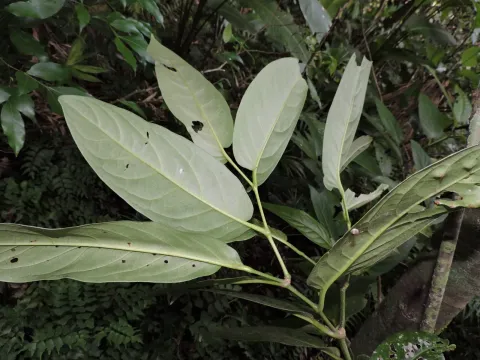
Piper arboreum
Piper arboreum
Piper arboreum is primarily propagated through seeds or stem cuttings. Seed propagation requires a clean, peat-based growing medium with consistent warmth for germination.
What the section contains
Piper arboreum
For cuttings, semi-hardwood stems are preferred. These are typically cut during the active growth period to ensure successful root development under high humidity.
Sowing should be done in shallow trays, keeping the soil moist but not waterlogged. Germination usually occurs within a few weeks under stable tropical conditions.
The young seedlings require careful handling when transplanting into individual containers to avoid damaging the delicate root hairs of the plant.
Once established, the plants can be moved to larger pots or directly into the ground in regions that replicate their native tropical habitat.
As a member of the Piperaceae family, Piper arboreum is a hardy shrub native to tropical regions of the Americas, known for its distinct foliage and growth habit.
The plant thrives in partial shade or filtered light, as direct sunlight can cause significant tissue damage to the broad leaves during peak daylight hours.
Moisture is a critical requirement. The species prefers high-humidity environments and consistent soil moisture, reflecting its origin in humid forest understories.
The soil must be rich in organic matter and possess excellent drainage properties; heavy clay soils that retain excessive water will cause rapid root decay.
Climate needs include frost-free temperatures and minimal seasonal variation, ideally maintained between 20 and 26 degrees Celsius year-round.
The yield of Piper arboreum is primarily utilized in the research and pharmaceutical sectors due to the presence of secondary metabolites such as specific lignans.
Optimal biomass production is achieved through balanced nitrogen-rich fertilization, which encourages the development of lush, leafy branches.
Harvesting usually involves pruning the stems, which can be done in cycles to allow the plant to regenerate its foliage and maximize long-term output.
Processing the leaves involves rapid drying at low temperatures to prevent the degradation of active chemical compounds present in the plant tissue.
Proper spacing is crucial for high-yield systems, ensuring each plant has adequate access to nutrients and airflow to prevent stunted growth.
The most common threats to Piper arboreum involve fungal pathogens, particularly those triggered by overly humid conditions and poor airflow within the crop.
Powdery mildew and various leaf spot diseases can severely reduce plant health, necessitating the use of targeted antifungal applications.
Root rot, often caused by poor drainage, is a leading cause of loss in both greenhouse and outdoor production, requiring strict water management.
Pests like spider mites and aphids tend to colonize the undersides of leaves, requiring regular monitoring and integrated pest management strategies.
Preventative measures, such as maintaining proper plant spacing and removing debris from the field, are the most effective ways to avoid severe infestations.