
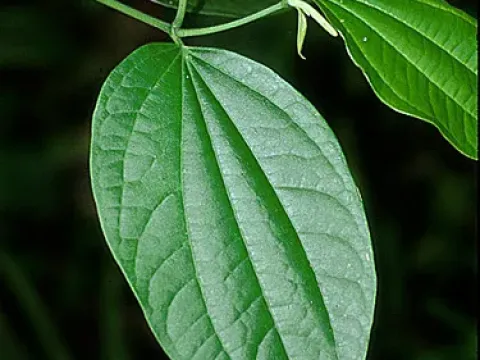
Piper angustifolium
Piper angustifolium
Piper angustifolium, a member of the Piperaceae family, is a perennial evergreen shrub native to the tropical forests of South America. It thrives in high-humidity environments typical of its native Amazonian basin habitat.
What the section contains
Piper angustifolium
Successful cultivation requires consistently warm temperatures, ideally between 22 and 28 degrees Celsius throughout the growing season. The plant is extremely sensitive to cold and must be protected from temperatures below 15 degrees Celsius.
The crop requires nutrient-rich, well-draining soil with a slightly acidic to neutral pH. Proper soil structure is essential to prevent root waterlogging, which the plant cannot tolerate, as it leads to rapid root system decay.
Light management is a critical factor for Piper angustifolium. It prefers bright, indirect sunlight, as direct exposure in high-intensity conditions can scorch the leaves and significantly reduce the quality of the harvested biomass.
Regular irrigation is necessary to maintain high humidity levels, particularly in regions where environmental humidity drops. Drip irrigation systems are often preferred in professional setups to ensure consistent moisture delivery to the root zone.
Fungal pathogens are the primary concern for this crop, especially in conditions of poor air circulation and high humidity. Root rots and various leaf spot diseases can spread rapidly through a plantation if not managed properly.
Pests such as spider mites, mealybugs, and aphids are common threats that thrive in the same warm, humid conditions as the crop. They feed on plant sap, causing stunted growth, discoloration, and potential loss of yield.
Integrated Pest Management (IPM) is the recommended approach for controlling infestations. This includes the use of biological control agents like predatory mites, which keep pest populations at bay without the need for harsh chemicals.
Cultural practices, such as maintaining adequate plant spacing, are essential to promote airflow and reduce moisture accumulation on foliage. This simple measure is the most effective way to prevent the onset of many fungal infections.
Continuous monitoring of the plantation is vital for early detection of issues. Removing infested plant parts immediately upon discovery can prevent an outbreak from spreading across the entire field.
The economic value of Piper angustifolium lies in its leaves, which are rich in specific essential oils and compounds. Harvesting must be conducted with precision to ensure that the delicate leaf structures are preserved during the process.
The ideal harvest time is during the early morning hours, when the concentration of essential oils is at its peak. Manual harvesting is necessary to prevent damage to the plant's structural integrity and to ensure only the highest quality leaves are selected.
Immediate post-harvest processing is required to maintain product quality. Leaves should be dried in a temperature-controlled environment away from direct sunlight, which would otherwise degrade the volatile compounds present in the leaves.
The drying process should be carried out at moderate temperatures (35-40 Celsius) with consistent airflow. This ensures the leaves retain their deep color and aromatic profile, which are key indicators of quality in the pharmaceutical trade.
Final storage involves packing the dried product in airtight, light-proof containers to protect it from moisture and degradation. Proper storage conditions are essential for maintaining the shelf life and efficacy of the raw material.