
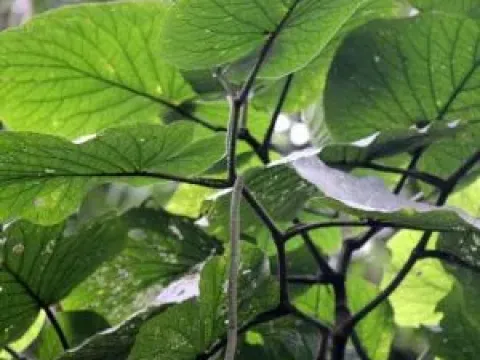
Piper aequilaterum
Piper aequilaterum
Piper aequilaterum is a notable species within the Piperaceae family, originating from the humid tropical regions of the Americas. As an understory plant, it thrives in environments that provide consistent moisture and protection from direct, intense sunlight, making it a unique candidate for controlled environment agriculture.
What the section contains
Piper aequilaterum
The climate requirements for this species are strict, demanding high ambient humidity levels and temperatures typically between 22°C and 28°C. Deviations from this range can lead to reduced metabolic activity or dormancy, which hinders the plant's ability to maintain its broad, lush foliage.
Soil composition must be rich in organic matter and possess excellent drainage properties. A blend consisting of coco coir, compost, and coarse perlite is often recommended to prevent compaction and ensure that oxygen can reach the root system, which is essential for healthy development.
Agronomic management requires careful control of light intensity. Utilizing shade cloths or natural canopy cover is necessary to mimic the plant's native habitat. Providing the correct light spectrum and intensity is crucial for maximizing leaf size and maintaining the characteristic plant vigor.
Watering frequency should be determined by the moisture levels in the substrate rather than a rigid calendar schedule. It is imperative to maintain consistent moisture throughout the root zone without creating waterlogged conditions, which could rapidly lead to hypoxia and root rot.
The most significant pathological threat to Piper aequilaterum is fungal root rot, primarily caused by water-mold pathogens such as Phytophthora. These organisms exploit saturated soil conditions, rapidly colonizing the roots and cutting off the plant's water and nutrient supply.
Insect pests, particularly spider mites, present a recurring challenge in greenhouse environments. These tiny arachnids thrive in conditions where airflow is poor and ambient humidity drops, leading to severe leaf damage and potential plant mortality if not addressed with timely acaricide applications.
Mealybugs are another common pest that often hides in leaf axils, making them difficult to detect until an infestation is well-established. Their feeding habits cause chlorosis and stunt overall growth, often leading to secondary issues like sooty mold accumulation on the foliage.
To mitigate these threats, integrated pest management (IPM) practices should be implemented. This includes the regular inspection of leaf undersides, the introduction of beneficial predatory insects, and maintaining optimal spacing between plants to enhance ventilation and discourage pathogen spread.
Cultural practices such as sanitation and proper pruning of necrotic tissue are essential. Removing infected leaves not only reduces the inoculum source but also directs the plant's energy toward healthy tissue regeneration, ensuring the overall resilience of the crop.