
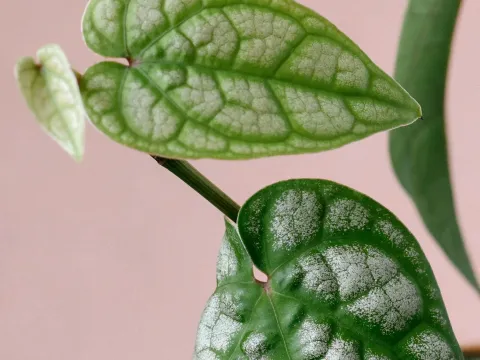
Piper crocatum
Piper crocatum
Piper crocatum, commonly referred to as the saffron pepper, is an ornamental member of the Piperaceae family. This species originates from the tropical regions of Southeast Asia, thriving in the understory of dense forests.
What the section contains
Piper crocatum
The plant requires a consistently warm environment, ideally maintaining temperatures between 20 and 25 degrees Celsius. It is highly sensitive to cold drafts, which can cause significant physiological stress and leaf drop.
For optimal growth, this culture prefers bright, indirect sunlight. Direct light exposure should be avoided as it often leads to leaf scorch, diminishing the aesthetic appeal and overall health of the specimen.
The soil substrate must be well-draining, loose, and rich in organic matter. A mixture of peat-based potting soil, perlite, and bark provides the necessary aeration to prevent the roots from becoming waterlogged.
Standard cultivation practices involve keeping the soil moisture consistent but not saturated. Overwatering is the most frequent mistake in the agronomy of this species, leading to rapid root decay if not managed correctly.
Spider mites are the most common pests affecting Piper crocatum, particularly in indoor environments with low humidity. They thrive on the underside of leaves, causing characteristic stippling and webbing.
Mealybugs can also pose a persistent threat, clustering in leaf axils and along stems. Infestations should be managed early through physical removal or the application of insecticidal soaps to minimize damage.
Root rot caused by fungal pathogens is a critical threat typically associated with poor drainage or excessive irrigation. Once the root system is compromised, the plant struggles to recover, making prevention the primary focus.
Ensuring proper air circulation is essential for the health of this crop, as stagnant air promotes the development of fungal spores and increases the likelihood of pest outbreaks within a collection.
Integrated pest management involves regular inspection of foliage and keeping the leaves clean. Maintaining appropriate environmental conditions remains the most effective strategy for ensuring the long-term survival of the plant.