
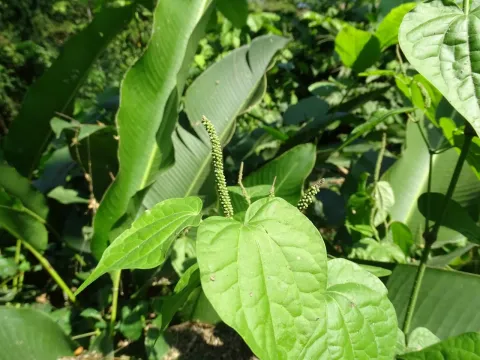
Piper amalago
Piper amalago
Sowing this crop in its natural tropical habitat typically occurs in spring, when soil temperatures remain consistently above 20 degrees Celsius. The seeds often require pre-sowing treatments, such as light scarification or soaking, to overcome dormancy caused by their hard outer coats.
What the section contains
Piper amalago
When grown in controlled greenhouse environments, seeds should be sown in a sterile, light, and organic-rich medium. Covering them with a thin layer of soil is essential, while maintaining high humidity levels is crucial for successful germination, which usually lasts two to four weeks.
Transplanting seedlings to a permanent outdoor location should only happen once all risks of frost have passed. The plant is highly sensitive to cold, so providing a sheltered area or using protective covers during the early establishment phase is highly recommended.
Spacing is a vital consideration for this shrub, as it can develop significant vegetative mass over time. Planting at intervals of 60 to 80 centimeters ensures adequate airflow, which is critical for reducing the risk of fungal outbreaks in the dense canopy.
Professional growers often utilize a container-based nursery phase before field planting. This approach allows for better control over the root development of the plant, ensuring that it is robust enough to adapt quickly when moved to its final growing site.
Piper amalago belongs to the Piperaceae family and is an evergreen perennial shrub native to the tropical regions of Central and South America. It thrives in warm, humid climates and is sensitive to sudden drops in temperature, requiring a stable environment for optimal growth.
The plant demands fertile, well-draining soils with a pH ranging from slightly acidic to neutral. Incorporating high-quality humus or compost into the soil structure significantly improves its water-retention capabilities without causing dangerous waterlogging near the roots.
Atmospheric humidity is perhaps the most critical factor for this species. In regions where natural humidity is low, growers must implement misting systems or frequent watering schedules to prevent leaf dehydration and maintain metabolic activity.
Regarding light exposure, while Piper amalago is tolerant of shade, it prefers dappled light or partial shade. Exposure to intense midday sunlight can easily damage the foliage, leading to scorch marks, which necessitates careful site selection under larger canopy trees or shade cloth.
Nutrient management involves regular applications of nitrogen-rich fertilizers during the active growing season. Additionally, potassium supplementation is encouraged to strengthen the plant's internal structure and improve its natural resistance to environmental stress.
Root rot is the most significant threat to Piper amalago, usually triggered by poor drainage or excessive irrigation. Since the plant is prone to fungal infection when the soil remains waterlogged, maintaining a proper moisture balance is the primary defense strategy.
Pests such as spider mites and mealybugs are frequently encountered, particularly in warm, stagnant air conditions. These insects target the underside of the leaves, drawing out sap and weakening the plant's structural integrity, leading to stunted development.
Integrated Pest Management (IPM) practices, such as regular monitoring and the use of insecticidal soaps, are effective in controlling populations without harming beneficial insects. Keeping the surrounding area free of debris and weeds also disrupts the life cycles of these common pests.
Anthracnose, characterized by dark spots on the foliage, can occur during periods of high humidity and poor ventilation. Pruning crowded branches helps increase airflow within the shrub, effectively lowering the humidity levels around the foliage and discouraging fungal spread.
Mulching is a beneficial practice, but it must be done carefully to avoid direct contact between the organic material and the plant's stem. This precaution helps prevent collar rot while simultaneously maintaining the soil moisture levels necessary for tropical species.
Harvesting Piper amalago involves the selective gathering of leaves and fruits, which are prized for their specific aromatic and medicinal qualities. Harvest timing should be determined by the visual maturity of the fruits, ensuring they are picked at peak ripeness.
Leaves destined for herbal or commercial use are best gathered just before the flowering stage, as this is when the concentration of essential oils is at its highest. Swift drying in a shaded, well-ventilated space is necessary to preserve the potent chemical compounds.
The fruits should be harvested using sharp, clean pruning shears to avoid damaging the delicate branches of the perennial shrub. Treating pruning wounds can prevent infection, ensuring the plant remains productive for many future harvest cycles.
Once harvested, the plant material must be sorted and cleaned to remove any debris. Proper handling at this stage is crucial to maintain the quality of the end product and to prevent the premature development of mold during the storage process.
Storage should be conducted in airtight containers kept in a cool, dark environment to prevent the degradation of aromatic compounds. Following these post-harvest guidelines ensures that the final product retains its sensory characteristics and therapeutic properties for a long duration.