
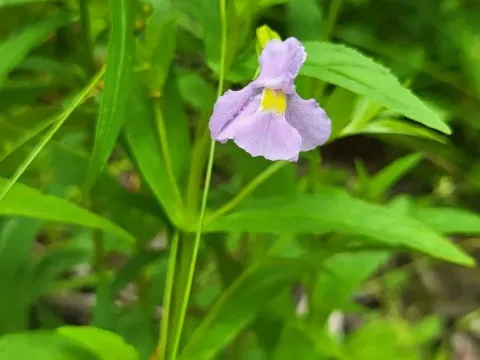
Mimulus ringens
Mimulus ringens
Sowing Mimulus ringens seeds is best performed in early spring under controlled indoor conditions. Given the minute size of the seeds, they should be surface-sown on a moist, fine-textured seed-starting mix, ensuring they remain exposed to light to trigger germination.
What the section contains
Mimulus ringens
Maintaining a constant temperature between 18 and 21 degrees Celsius is essential for optimal sprout emergence. High humidity should be preserved during the germination phase using a plastic cover or a propagation tray.
Once the seedlings have developed their first true leaves, they should be transplanted into individual pots to avoid overcrowding. Gradually acclimating the plants to outdoor temperatures before final planting is crucial for their long-term health.
When moving to the permanent location, ensure the soil is thoroughly saturated. Planting density should allow for adequate air circulation between individual specimens, typically around 30 centimeters apart.
Vegetative propagation via root division is another effective method, particularly suitable for established mature plants. This is best accomplished during the dormant season or early spring as growth resumes.
Mimulus ringens is a quintessential wetland species, requiring consistently wet, boggy soils to thrive. In a garden setting, it performs exceptionally well along the edges of ponds, streams, or in natural rain gardens.
The ideal soil profile is nutrient-rich, humusy, and slightly acidic to neutral. It lacks drought tolerance, so irrigation must be managed strictly to prevent the root zone from drying out during hot summer months.
While the plant excels in full sun, partial shade is highly recommended in regions with intense summer heat. Providing afternoon shade helps maintain foliage quality and prevents the plant from wilting prematurely.
This species exhibits excellent cold hardiness and is well-adapted to varied temperate climates. It enters dormancy during winter months and effectively resumes growth once temperatures rise in the spring.
Regular fertilization with a balanced, water-soluble fertilizer can enhance floral output. However, care should be taken to avoid over-fertilizing, which can lead to leggy growth rather than blooms.
The primary threats to this species include fungal infections such as powdery mildew, which thrive in stagnant, humid environments. Improving airflow around the plant canopy is the most effective preventative measure.
Pests like aphids and spider mites can occasionally colonize the soft tissue of the stems and leaves. These populations should be monitored closely and treated with appropriate horticultural oils or systemic insecticides if necessary.
Root rot is a major risk if the soil remains waterlogged without any oxygen exchange. Proper site selection that allows for a flow of water rather than stagnant pooling is essential for plant longevity.
Slugs and snails can also cause significant damage to young foliage during the spring. Implementing barrier methods or using environmentally safe baits can help protect the plants during their most vulnerable growth stages.
Weed control is vital, as Mimulus ringens can easily be outcompeted for resources by faster-growing, aggressive weeds. Manual weeding is preferred to minimize disturbance to the plant's delicate root system.