
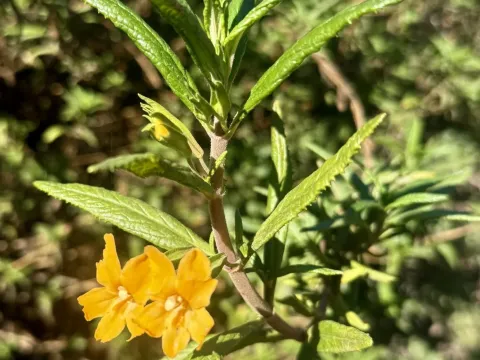
Diplacus
Diplacus
Propagation of Diplacus is primarily achieved through seed sowing or stem cuttings during the early spring months. Seeds should be placed in a well-draining, loose substrate and kept at approximately 20 degrees Celsius.
What the section contains

Diplacus
For successful germination, maintaining a constant moisture level is crucial. Using a humidity-controlled environment, such as a greenhouse or a simple tray cover, significantly improves the success rate of young seedlings.
When using cuttings, select healthy, non-flowering shoots, trim them below a node, and plant them in a mix of peat and perlite. This medium provides the aeration necessary for rapid root development.
Transplanting seedlings to their final location should only occur after the danger of frost has passed. Early spring provides the best balance of daylight and moderate temperatures for plant establishment.
Optimal spacing is essential to ensure that the plants receive adequate airflow, which is a key factor in preventing fungal infections and promoting healthy, vigorous growth throughout the season.
Diplacus belongs to the Phrymaceae family and is recognized for its woody, shrub-like growth habit and vibrant flowers. It is widely cultivated for its ornamental value in landscaping.
The plant thrives in locations with full sun exposure, although it benefits from light shade during the peak heat of the afternoon in warmer climates to prevent leaf scorching.
Soil conditions must be well-drained, as the root system of Diplacus is susceptible to damage from waterlogging. Sandy or loamy soils with a slightly acidic to neutral pH are considered ideal for healthy growth.
Regular but moderate watering is necessary. It is recommended to allow the soil surface to dry out slightly between waterings, as constant moisture often leads to root rot issues in container-grown specimens.
Fertilization should be balanced, with a focus on phosphorus and potassium during the flowering phase to maintain intensity of bloom, while nitrogen should be kept at lower levels to avoid excessive foliage.
Powdery mildew is the most common threat to Diplacus, especially in environments with poor air circulation and high relative humidity. Treatment with appropriate systemic fungicides is recommended at the first sign of infection.
Spider mites are notorious pests that attack Diplacus during hot, dry weather. They cluster on the undersides of leaves, causing them to turn yellow and drop, necessitating the use of targeted acaricides.
Aphids can frequently colonize the buds and tender new growth of the plant. Regular monitoring and the application of mild insecticides or insecticidal soaps can help manage aphid populations effectively.
Root rot is typically caused by overwatering or the use of heavy, compacted soil. To mitigate this risk, gardeners should ensure proper drainage and use sterilized potting mixes for container plants.
Good sanitation practices, such as removing fallen leaves and pruning infected parts of the plant, are fundamental in preventing the recurrence of common fungal and bacterial diseases.
Diplacus is primarily used as an ornamental crop in gardens, landscapes, and patios. Its ability to bloom continuously makes it a popular choice for containers and border plantings.
To ensure a long-lasting display, it is advisable to deadhead the flowers regularly. This practice prevents the plant from diverting energy into seed production and encourages the growth of new buds.
When grown for cut flowers, stems should be harvested when the first few buds begin to open. Recutting the stems under water immediately after harvest helps prolong their vase life in floral arrangements.
In cooler climates, the plant may require winter protection. Pruning the foliage back in late autumn and moving potted plants to a cool, frost-free location is the standard procedure for wintering.
Seed collection involves gathering the mature seed capsules before they dehisce. Once collected, the capsules should be dried in a well-ventilated area before extracting the seeds for future planting cycles.