
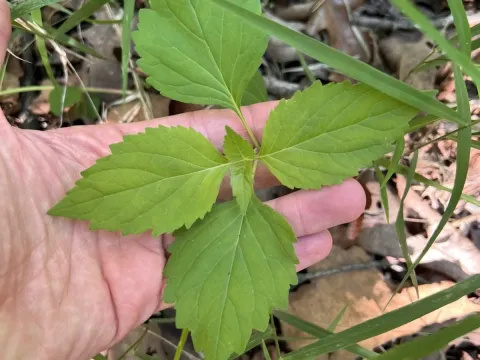
Phryma
Phryma
Propagation of Phryma is typically achieved through seeds, which require a cold stratification period to break dormancy and ensure high germination rates.
What the section contains


Phryma
Sowing in autumn is highly recommended for direct outdoor cultivation, allowing nature to trigger the necessary physiological processes within the seeds.
If indoor propagation is chosen, seeds should be sown in early spring in well-draining seed-starting mix, keeping them consistently moist but not waterlogged.
Transplanting should be handled with care to minimize root disturbance, ensuring the seedlings are spaced at least 30 centimeters apart to allow full growth.
Regular monitoring of moisture levels in the soil is crucial during the first weeks after germination to ensure the young plants establish a robust root system.
Phryma is a genus of herbaceous perennials within the family Phrymaceae, naturally occurring in temperate forest regions of North America and Asia.
The plant thrives in partial shade conditions, mimicking its native habitat in woodland understories where it is protected from intense, direct sunlight.
A soil rich in organic matter, slightly acidic to neutral in pH, is ideal for providing the nutrients required for vigorous vegetative growth throughout the season.
Consistent soil moisture is a primary requirement for Phryma; however, excellent drainage is mandatory to prevent the crown and roots from rotting.
Phryma is considered hardy in temperate zones, provided it is grown in areas with adequate protection from drying winds and extreme frost events.
Common plant health issues include powdery mildew, which often appears on the foliage during periods of high humidity and poor air circulation.
Slugs and snails can cause significant damage to the plant, particularly in damp environments, necessitating the use of organic barriers or traps.
Root rot, driven by stagnant water in the soil, is the most common fatal condition for Phryma and is difficult to treat once advanced symptoms appear.
Aphids may infest the plant during the early growth stages, but they are generally manageable with horticultural soaps or natural predator introduction.
Maintaining a clean growing area by removing fallen leaves and decaying debris helps prevent the accumulation of spores and pest breeding sites.