
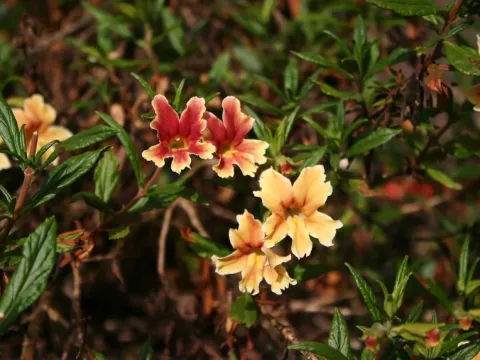
Diplacus hybrids
Diplacus hybrids
Sowing Diplacus hybrids typically begins in late winter or early spring, specifically during February and March, to ensure a robust growing season.
What the section contains
Diplacus hybrids
The seeds are tiny and require light for germination; therefore, they should be sown on the surface of a fine, moist potting mix without being covered by soil.
Keeping the seed trays in a warm environment with consistent humidity, often under a transparent cover, is essential for achieving high germination rates.
Seedlings should be pricked out and transplanted into individual pots once the first true leaves have emerged to allow for proper root development.
Hardening off the plants before transplanting them into the garden is a crucial step to protect them from environmental stress after the final frost.
Diplacus hybrids, members of the Phrymaceae family, thrive in sunny locations but benefit from partial shade during the peak heat of the afternoon.
A well-draining, fertile soil is necessary to prevent waterlogging, as the root system is sensitive to excessive moisture accumulation in the soil profile.
Regular watering is required to keep the growing medium consistently moist, though the soil should never become saturated or completely dry out.
The ideal temperature range for continuous blooming is between 15 and 25 degrees Celsius, making it suitable for moderate climatic conditions.
Supplemental feeding with a balanced liquid fertilizer every two weeks during the active growth phase significantly improves overall bloom quality.
Common pests affecting this crop include aphids and spider mites, which can quickly colonize the undersides of leaves if the air is too dry.
Powdery mildew is a significant fungal threat, usually triggered by poor air circulation and high humidity levels around the foliage of the plants.
Gray mold (Botrytis) may also develop in instances of overwatering or when the plants are placed too closely together, preventing proper ventilation.
Effective pest control involves monitoring for early signs of infestation and applying appropriate systemic insecticides when necessary.
Preventative cultural practices, such as ensuring adequate spacing between plants and removing dead debris, are essential for maintaining plant health.