
Glossostigma
Glossostigma
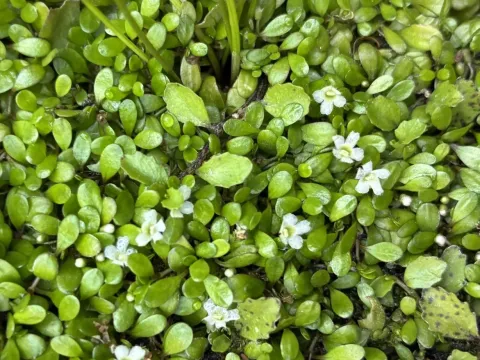
Glossostigma is a low-growing marsh plant belonging to the Phrymaceae family. Native to Australia and New Zealand, it naturally inhabits the moist banks of freshwater bodies and shallow muddy areas.
What the section contains


Glossostigma
High-intensity lighting is the most critical requirement for Glossostigma. If the light is insufficient, the plant will stretch vertically rather than forming a dense, ground-hugging carpet, eventually weakening its health.
The choice of substrate is essential for successful cultivation. It requires a fine-grained, nutrient-rich soil to allow its delicate root system to absorb necessary minerals effectively for healthy growth.
CO2 supplementation is mandatory for optimal development. As a high-metabolism plant, Glossostigma requires constant carbon dioxide infusion to maintain its vibrant green color and rapid propagation rates through runner formation.
Water temperature should be strictly maintained between 20°C and 28°C. Deviations in temperature can disrupt the plant's metabolic processes, leading to yellowing of the leaves or increased susceptibility to algae.
Filamentous algae represent the primary threat to Glossostigma colonies. These algae thrive in the same conditions as the plant and can quickly smother the delicate shoots, inhibiting photosynthesis.
Nutrient imbalances, particularly iron deficiencies, result in chlorosis, where the leaves turn pale yellow. Maintaining proper iron levels in the water column is necessary to ensure consistent growth.
Root rot is a common issue caused by compacted, stagnant soil or poor water circulation. Proper spacing between individual plantlets during initial planting is recommended to prevent these anaerobic conditions.
Pests like invasive snails can damage young leaves. While the plant can recover, heavy infestation by snails often requires manual removal or biological control methods to protect the carpet structure.
Poor water quality and high organic waste levels can lead to tissue decay. Regular water changes and cleaning are vital to ensure the plant remains free from bacterial and fungal pathogens.