
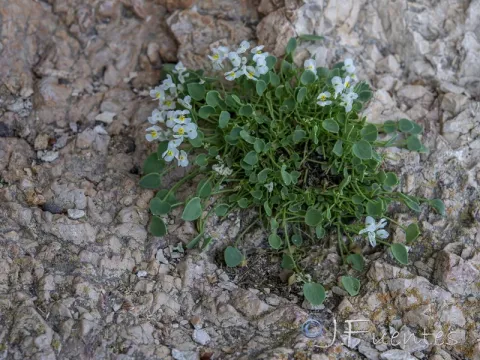
Sarcocapnos integrifolia
Sarcocapnos integrifolia
Sarcocapnos integrifolia is a specialized member of the Papaveraceae family, native to the rocky landscapes of Spain and neighboring Mediterranean regions. It is characterized by its succulent stems and leaves, which are adaptations to its natural rocky, limestone-rich environment.
What the section contains
Sarcocapnos integrifolia
Botanically, the plant forms low-growing, dense clumps or mounds, making it a perfect candidate for crevices in stone walls or rock garden pockets. Its flowers, which bloom in shades of cream and pale pink, emerge from the leaf axils, creating a delicate aesthetic display.
Cultivation requires strict adherence to drainage needs. The ideal growing medium consists of a gritty, mineral-based mix with a high percentage of limestone chips, ensuring that the roots never sit in wet, compacted soil, which is fatal for this species.
The plant thrives in full sunlight. Proper exposure ensures the compact growth habit that defines the species. While it tolerates heat, it benefits from protection against scorching afternoon sun in extremely hot climates to prevent leaf dehydration.
Regarding water management, Sarcocapnos integrifolia requires a "soak and dry" approach. Watering should be sparse, focusing on the soil base rather than the foliage, mimicking the natural precipitation patterns of its native limestone cliffs.
The primary threat to this plant is root and crown rot, typically caused by excess moisture. Because the species evolved to grow on vertical or rocky terrain, it lacks resistance to the heavy, saturated soil conditions common in standard garden beds.
Slugs and snails present a significant threat, especially during wet springs. These pests find the plant's succulent tissues highly palatable and can destroy young, emerging growth overnight. Perimeter barriers or manual removal are the preferred management techniques.
Powdery mildew is another occasional challenge, particularly when air circulation is poor or humidity levels remain high for extended periods. Pruning away congested growth helps maintain necessary airflow around the plant's center.
Prevention of fungal pathogens is achieved primarily through optimal site selection. Planting in steep angles or rock crevices significantly improves drainage and air movement, which are the best natural defenses against disease.
Gardeners should avoid heavy fertilization. Sarcocapnos integrifolia is adapted to nutrient-poor soils; excessive nitrogen stimulates overly soft, fleshy growth that is highly susceptible to both pest damage and physiological stress.